Hello Again - A Wedding A Day
2020
No user ratings available yet
Representation score: 4.2 out of 10
Representation Score
Limited
2018
RDirector
Theresa Bennett
Runtime
90 minutes
Average Rating
No ratings yetNew Showbiz Analysis
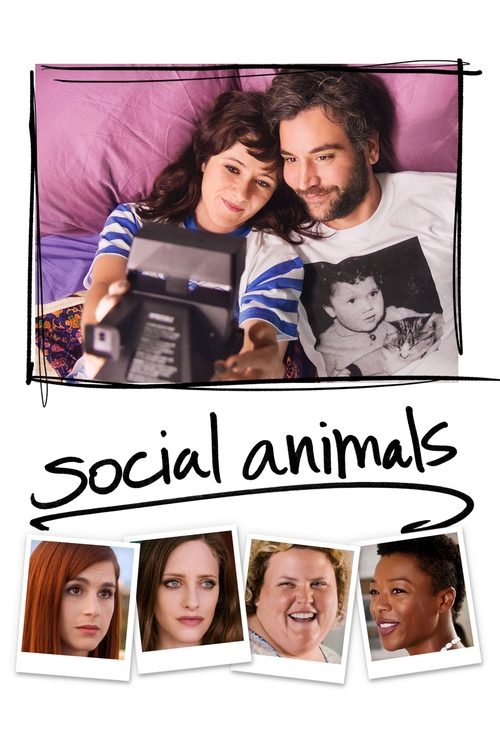
Social Animals presents a protagonist defined by her resistance to societal and familial pressures. Zoe's role in driving the story is central as she navigates business failures and a desire to avoid her parents' lifestyle. While the film offers a degree of gender subversion by centering a woman's struggle for autonomy, it remains tethered to conventional romantic drama. The central conflict involving an extramarital affair utilizes traditional formulas that may limit the depth of its social commentary. Ultimately, the film's diversity is limited by a lack of information regarding race, disability, and LGBTQ+ identities, leaving the narrative's scope primarily focused on heterosexual relationship dynamics.
Category Breakdown
The story focuses on heterosexual complications involving a married man. While Zoe rejects traditional relationship structures, there is no explicit depiction of non-binary or transgender identities.
Zoe serves as a strong female protagonist who actively resists traditional feminine roles and domestic expectations. However, her involvement with a married man relies on familiar romantic clichés.
The available information provides no details regarding the racial or ethnic composition of the cast or characters. Consequently, no assessment of racial diversity can be made.
The film explores themes of moral relativism and the deconstruction of the nuclear family. It prioritizes individual autonomy and non-traditional relationship dynamics over traditional Western institutions.
There is no evidence regarding the inclusion of characters with physical or neurodivergent disabilities. The narrative focus remains strictly on the central romantic conflict.
Present on Screen
Limited or Absent
Official Synopsis
Determined not to turn into her parents, or be drawn into any relationship longer than a one night stand, Zoe constantly struggles with her failing business and love life. Then she falls in love for the first time with Paul. But there's one problem: Paul is married.
2020
2012

2021
2025

2018

2018
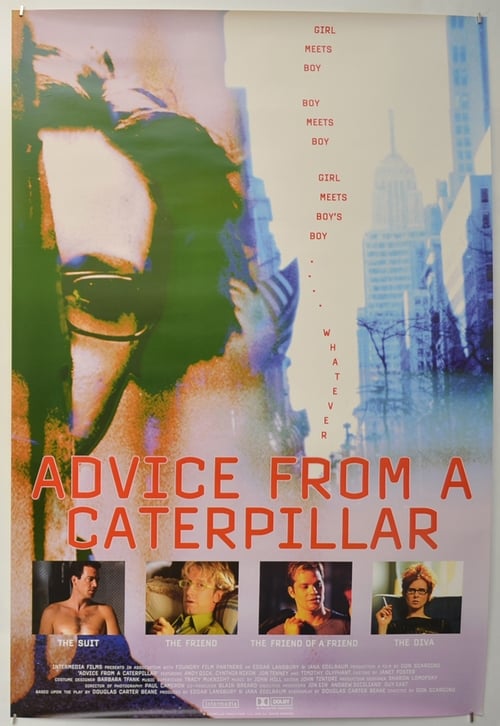
1999

2017
No reviews yet. Be the first to share your thoughts on this movie!
Use the rating form above to leave a star rating and optional review.