
Dreamkatcher
2020
No user ratings available yet
Representation score: 3.1 out of 10
Representation Score
Minimal
2019
Not RatedDirector
Drew T. Pierce, Brett Pierce
Runtime
95 minutes
Average Rating
No ratings yetNew Showbiz Analysis
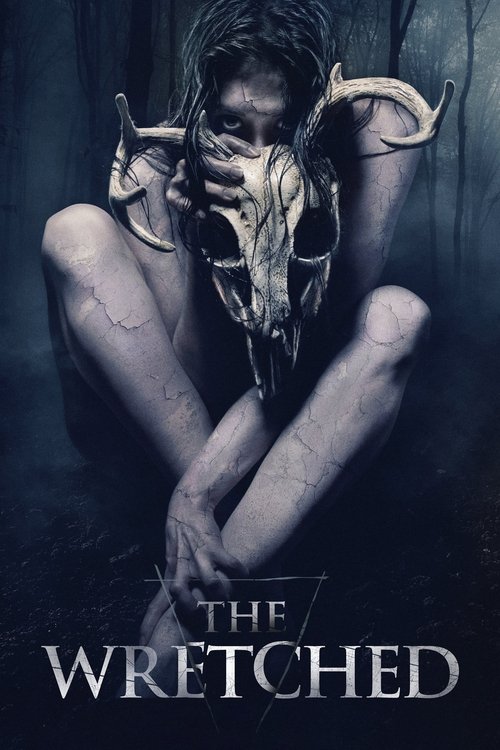
The Wretched is a typical horror film that emphasizes survivalist themes and traditional demographic structures. It focuses on a homogeneous, rural, white cast and avoids broader social commentary. The narrative reinforces established social norms without challenging them. By relying on masculine protector roles and a conventional family setup, the film misses opportunities for diverse representation. Ultimately, it remains a straightforward creature feature without addressing LGBTQ+, racial diversity, or disability issues.
Category Breakdown
The film does not include any LGBTQ+ characters or non-straight identities. The story centers around a traditional sibling relationship without any queer themes or coded messages.
The movie follows traditional masculine roles, placing the protagonist in a protective, survivalist position that upholds conventional gender norms.
The cast is mainly white and represents a rural, working-class community. There is no indication of ethnic diversity or color-blind casting.
The storyline uses a family breakup as a personal horror trigger rather than a broader societal critique. It sticks to survivalist clichés without challenging cultural norms.
The film does not depict any physical or neurological disabilities. Characters are defined by their ability to survive a supernatural threat without any impairments.
Present on Screen
Limited or Absent
Official Synopsis
A rebellious teenage boy, struggling with his parents' imminent divorce, encounters a terrifying evil after his next-door neighbor becomes possessed by an ancient witch that feasts on children.
2020
2016
2019
2019
2015
2007
2023
2020
No reviews yet. Be the first to share your thoughts on this movie!
Use the rating form above to leave a star rating and optional review.