
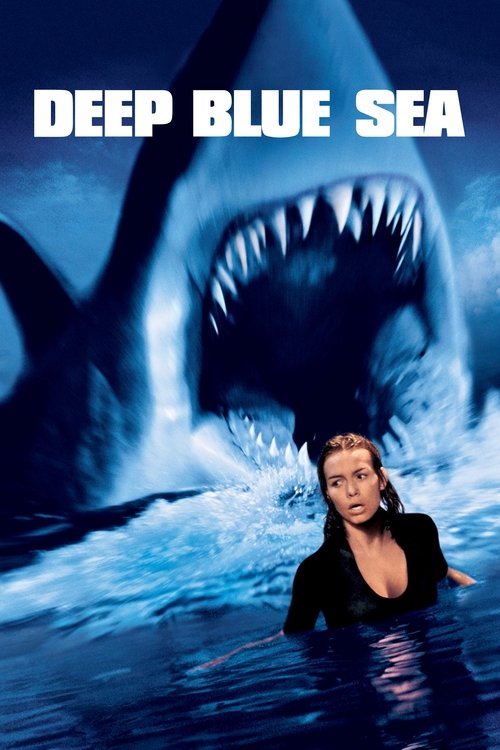
Deep Blue Sea 2
2018
No user ratings available yet
Representation score: 2.3 out of 10
Representation Score
Limited
1999
RDirector
Renny Harlin
Runtime
105 minutes
Average Rating
No ratings yetNew Showbiz Analysis
Deep Blue Sea functions as a typical survival thriller that prioritizes intense suspense over social commentary. It offers moderate progressive value by placing women in positions of intellectual leadership and scientific authority. However, the film remains tied to traditional 1990s Hollywood casting practices. The racial makeup is largely homogeneous, and the narrative lacks intentional multi-layered or systemic critiques. While the plot centers on a medical pursuit, it treats disability as a scientific objective rather than a lived reality. This results in a film that is effective as genre entertainment but limited in its social depth.
Category Breakdown
The film does not include any LGBTQ+ characters or explore non-cisgender identities. Social interactions focus on heterosexual relationships.
Female characters hold prominent roles in science and intellectual leadership. Dr. Susan McAlester drives the plot with significant influence, presenting women as competent professionals.
The cast is primarily white, lacking a diverse racial mix. While LL Cool J adds a notable presence, the film does not embrace color-blind casting.
The storyline emphasizes scientific arrogance and ethical limits rather than socio-political themes. Conflict is framed through a biological perspective without addressing specific cultural critiques.
Alzheimer's disease serves as a key plot element. However, the film views cognitive impairment as a medical issue to solve rather than a lived experience of disability.
Present on Screen
Limited or Absent
Official Synopsis
Researchers on the undersea lab Aquatica have genetically altered the brains of captive sharks to develop a cure for Alzheimer's disease. But there's an unexpected side effect: the sharks got smarter, faster, and more dangerous. After a big storm damages their remote research facility, they must fight for their lives.
2018
1989

2020

1978
2018

1998
2018

1998
No reviews yet. Be the first to share your thoughts on this movie!
Use the rating form above to leave a star rating and optional review.