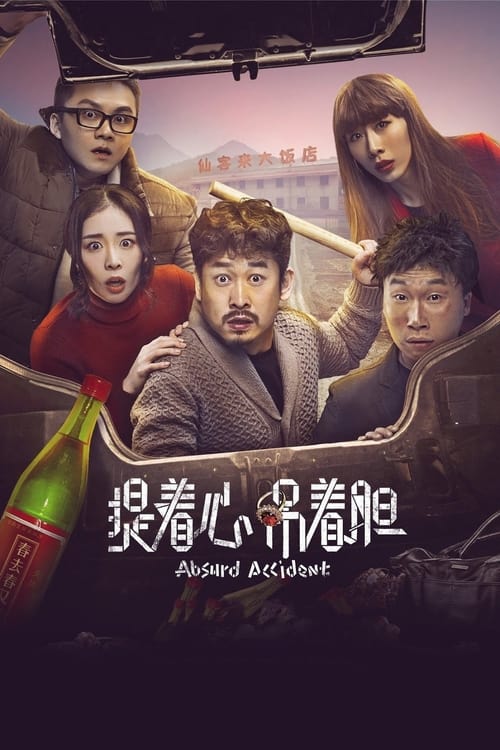
Absurd Accident
2016
No user ratings available yet
Representation score: 6.1 out of 10

Representation Score
Minimal
2019
NRDirector
Brian Gianci, Chris Shenkle
Runtime
80 minutes
Average Rating
No ratings yetNew Showbiz Analysis
The film operates within a traditional patriarchal structure, centered around a male protagonist's attempts to manipulate his domestic life. While it avoids idealizing traditional family values by focusing on chaos and madness, it lacks meaningful diversity. Representation is sparse across various identity categories. The narrative focuses on a singular heterosexual conflict, offering limited space for diverse perspectives or challenging established social hierarchies. Ultimately, the film's score reflects a reliance on situational ethics and chaos rather than intentional, diverse storytelling. It serves more as a character study of dysfunction than a progressive exploration of identity.
Category Breakdown
The film does not include any characters or stories related to LGBTQ+ identities. The main conflict revolves around a heterosexual marriage.
The story focuses on a male protagonist who drives the plot. Female characters appear mainly as subjects of his experiments and do not have much control over their own lives.
The film does not specify the racial or ethnic backgrounds of its characters. There is no information about the diversity of the cast.
The film challenges traditional views of marriage by showing it through a chaotic and criminal lens. It uses moral relativism to question idealized domestic settings.
The film does not mention any characters dealing with physical, neurodivergent, or mental health conditions. There is no representation of disability in the narrative.
Present on Screen
Limited or Absent
Official Synopsis
In a last ditch effort to save his marriage, Ernie Mills decides to test a love drug on two unsuspecting real estate agents before ultimately giving it to his unsuspecting wife. Madness, murder and hijinks ensue.
2016

1982

2020
1998
1998
2009
2013
2017
No reviews yet. Be the first to share your thoughts on this movie!
Use the rating form above to leave a star rating and optional review.