Adam's Rib
1949
No user ratings available yet
Diversity score: 3.9 out of 10
1976
Director
George Cukor
Runtime
100 minutes
Average Rating
No ratings yetSynopsis
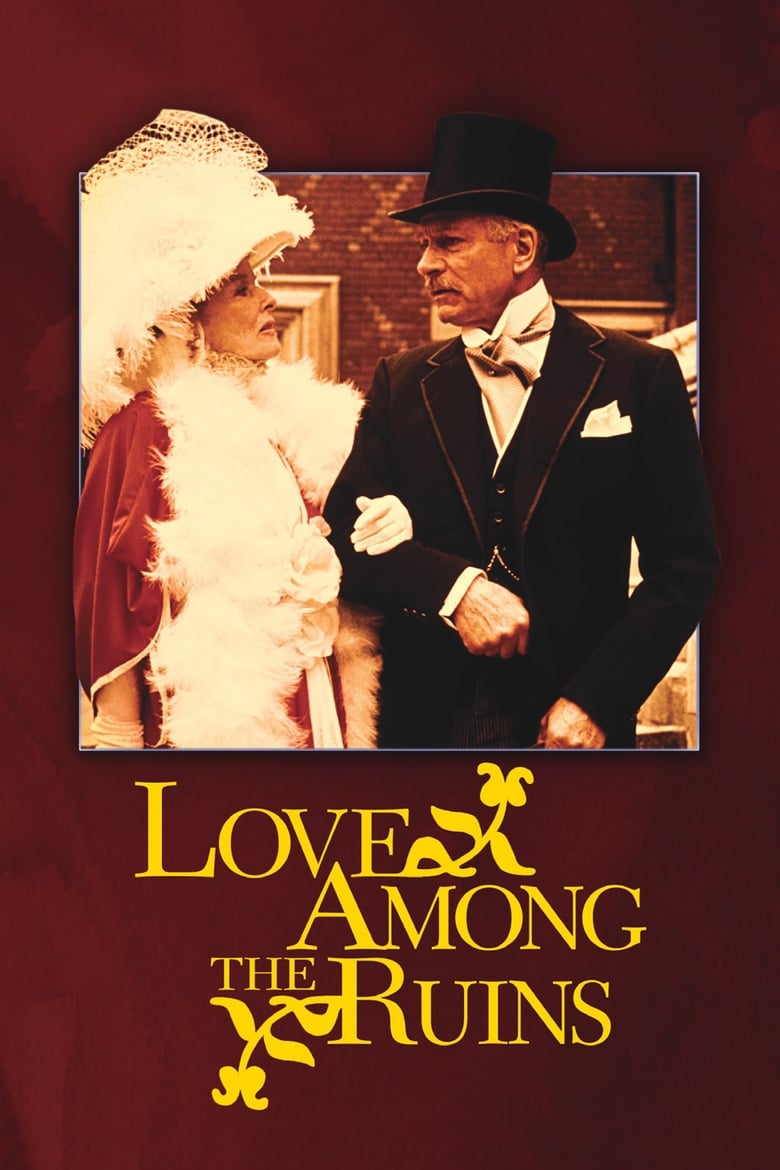
An aging actress and socialite, Jessica Medlicott has ended her engagement with a younger man and is now being sued by her former fiancé. Esteemed barrister Sir Arthur Glanville-Jones is assigned to represent Jessica in the lawsuit, and he also happens to be an old suitor of hers from decades earlier. While Jessica claims not to remember him, and Arthur still smarts from her earlier rejection, the two form a close bond during the case.
Overall Score
Limited
Category Breakdown
LGBTQ+ Representation
The film lacks LGBTQ+ characters or non-heteronormative identities. Romantic tension is strictly limited to the rekindled connection between the two heterosexual leads.
Gender Representation
The story centers on the emotional agency and social navigation of an aging female lead. While it provides her with autonomy, the dynamics remain tied to traditional romantic melodrama.
Racial & Ethnic Diversity
The cast is predominantly white and homogeneous, reflecting its specific socioeconomic setting. There is no evidence of diverse ethnic perspectives or color-blind casting.
Religious & Cultural Diversity
The narrative operates within traditional Western social structures and class-based etiquette. It lacks systemic critiques of institutions, focusing instead on navigating established social hierarchies.
Disability Representation
There are no visible or invisible disabilities portrayed as central to the character arcs or plot progression.
Strengths
Areas for Improvement
AI Analysis
George Cukor’s drama is a period-specific character study that adheres to the traditional social and demographic norms of its setting. It functions as a portrait of a historically insulated Anglo-Saxon upper class, prioritizing class etiquette over progressive social critique. While the film offers a sophisticated lens on female agency by centering the plot on an aging woman's autonomy, it lacks intersectional breadth. The narrative architecture is designed to reinforce, rather than disrupt, the established social hierarchies of the British aristocracy. Ultimately, the film remains rooted in conventional romantic tropes and a homogeneous demographic, making it a traditionalist work rather than a diverse one.
No reviews yet. Be the first to share your thoughts on this movie!
Use the rating form above to leave a star rating and optional review.