
4 Kings
2021
No user ratings available yet
Representation score: 3.0 out of 10
Representation Score
Limited
2024
Director
Puttipong Nakthong
Runtime
132 minutes
Average Rating
No ratings yetNew Showbiz Analysis
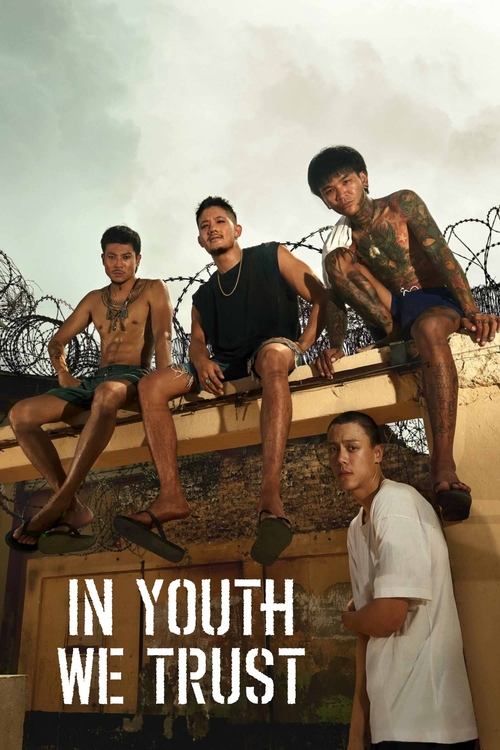
In Youth We Trust emphasizes the socio-economic realities faced by underrepresented populations. The narrative centers on class dynamics and the psychological impact of living within an oppressive social hierarchy. The film excels in showcasing the lived experiences of the disenfranchised. By focusing on the slum environment, it provides a platform for stories often overlooked by mainstream cinema. However, the film's scope appears limited in terms of identity diversity. There is a lack of information concerning LGBTQ+ representation or specific disability narratives, leaving those dimensions unexplored.
Category Breakdown
The film does not include any information about LGBTQ+ characters or romantic subplots. There is no exploration of gender identity within the current narrative description.
The story revolves around a male protagonist who navigates social pressures and bullying. It has the potential to challenge traditional masculine stereotypes by emphasizing endurance and silence over conventional heroism.
By focusing on life within Thai slums, the film highlights non-elite perspectives. This emphasis challenges mainstream, affluent depictions of society through localized, class-based storytelling.
The narrative critiques social hierarchies and systemic inequality. It portrays the protagonist's struggle through the lens of class-based oppression and limited social mobility.
There is no specific mention of physical or neurodivergent disabilities. However, the protagonist's psychological response to bullying hints at a possible exploration of mental health and social trauma.
Present on Screen
Limited or Absent
Official Synopsis
Puek, a boy from the slums, had no choice but to endure his circumstances, feeling that he could never have the same worth as others. He remained silent, accepting the bullying of others just to survive in society.
2021

1995

1997

1988

2017
2004
2023

2023
No reviews yet. Be the first to share your thoughts on this movie!
Use the rating form above to leave a star rating and optional review.