
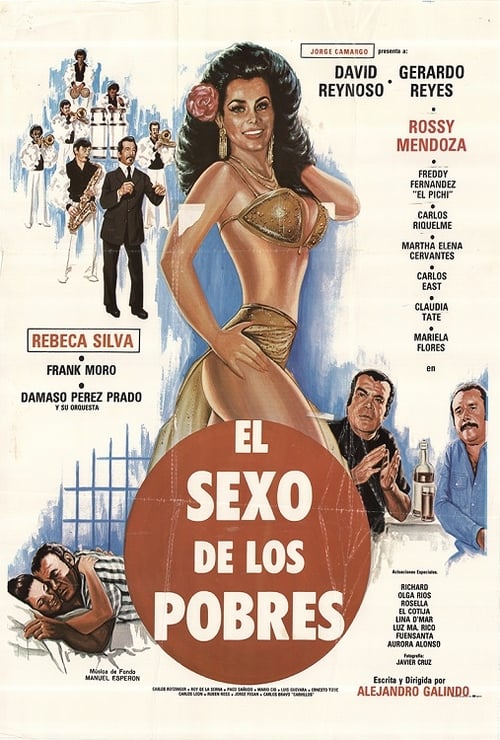
My Pussy is the Best
1982
No user ratings available yet
Representation score: 6.6 out of 10
Representation Score
Fair
1983
Director
Alejandro Galindo
Runtime
98 minutes
Average Rating
No ratings yetNew Showbiz Analysis
Alejandro Galindo’s work serves as a powerful exercise in social realism, centering the underrepresented experience to critique systemic inequality. The film's greatest strength is its authentic ethnic and class-based representation, which avoids the 'white-as-norm' standard by placing Mestizo identities at the heart of the story. However, the film operates within a very traditional social framework. It lacks representation for LGBTQ+ identities and provides little challenge to established gender hierarchies, focusing instead on survival within existing roles. Ultimately, the film succeeds as a post-colonial critique of class struggle, even if it remains narrow in its depiction of other identity-based diversities.
Category Breakdown
The film does not include any LGBTQ+ characters or non-straight relationships. It focuses solely on socioeconomic struggles within a traditional framework, offering no queer subtext.
Characters navigate survival within established social roles. While the film offers a nuanced view of women's ability to drive the story amidst hardship, it lacks a significant challenge to traditional gender hierarchies.
The film excels in its authentic portrayal of Mestizo and working-class Mexican identities. Centering a non-Anglo-Saxon cast disrupts conventional cinematic standards of normalcy.
The narrative is deeply rooted in a critique of socioeconomic structures. It portrays poverty as a systemic issue rather than a personal failing, challenging conventional morality.
There is no significant evidence regarding the portrayal of physical or neurodivergent disabilities within the film.
Present on Screen
Limited or Absent
Official Synopsis
Courtroom drama focused on the background of a man accused of rape.
1982

1984
1988

1990

2013

1987
1968
1992
No reviews yet. Be the first to share your thoughts on this movie!
Use the rating form above to leave a star rating and optional review.