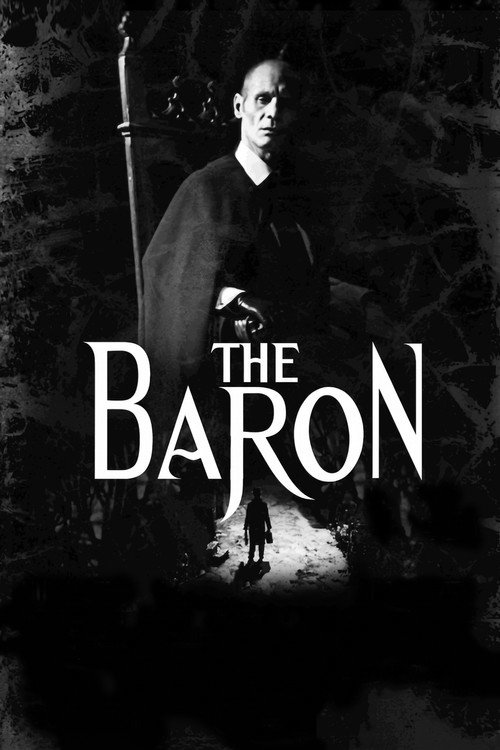
The Baron
2011
No user ratings available yet
Diversity score: 5.7 out of 10

2016
Director
Mani Haghighi
Runtime
107 minutes
Average Rating
No ratings yetSynopsis
On Jan. 22, 1965, the day before the Iranian prime minister is assassinated, a car drives up to a shipwreck. Inside the wreck, a banished political prisoner has hung himself and the walls are covered in diary entries, literary quotes, and strange symbols. Fifty years later, the evidence, including intelligence tape recordings, is found in a box. The contents attest to the fact that the inspector and his colleagues were arrested, but why?
Overall Score
Fair
Category Breakdown
LGBTQ+ Representation
The film focuses on political imprisonment and state surveillance. There are no visible LGBTQ+ character arcs or depictions of same-sex intimacy.
Gender Representation
The narrative centers on male-dominated institutional structures like the police and political prisoners. However, it disrupts traditional masculine stability through psychological instability.
Racial & Ethnic Diversity
Set during 1965 Iranian political upheaval, the film provides a non-Western perspective. It avoids the Western gaze by centering on local history and internal state dynamics.
Religious & Cultural Diversity
The film offers a complex critique of state power and institutional oppression. It uses literary quotes and symbols to prioritize subjective truth over state-sanctioned morality.
Disability Representation
The story explores profound psychological distress and the mental toll of banishment. Mental health struggles appear to function as mystery elements rather than lived-experience representation.
Strengths
Areas for Improvement
AI Analysis
Mani Haghighi’s work is a sophisticated piece of political surrealism that prioritizes intellectual and systemic critique over demographic variety. It succeeds in challenging Western-centric historical narratives by centering on Iranian political history. While the film lacks explicit representation for LGBTQ+ identities or physical disabilities, it excels in cultural depth. The narrative uses psychological fragmentation and mystery to dismantle conventional perceptions of authority and state stability. Ultimately, the film's value lies in its exploration of individual memory versus state power, offering a complex, morally relativistic view of institutional oppression.
No reviews yet. Be the first to share your thoughts on this movie!
Use the rating form above to leave a star rating and optional review.