
L'Esprit de famille
2020
No user ratings available yet
Representation score: 2.4 out of 10
Representation Score
Good
2020
Director
Nathanaël Guedj
Runtime
90 minutes
Average Rating
No ratings yetNew Showbiz Analysis
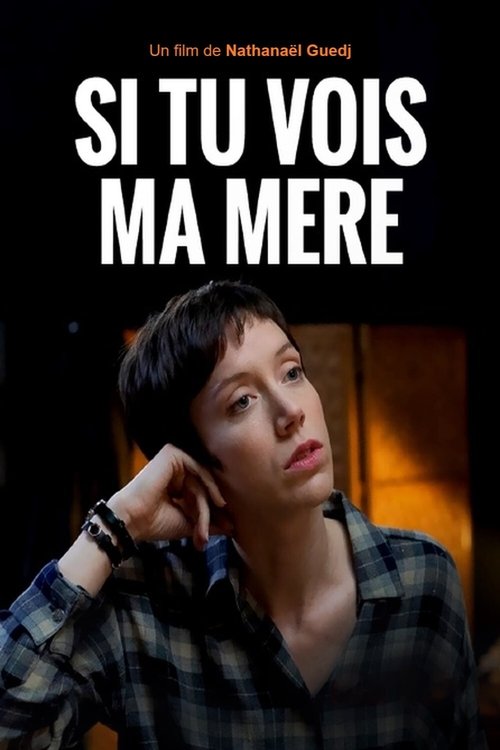
Si tu vois ma mère is a psychological character study that finds its strength in subverting traditional masculine and domestic expectations. By focusing on a man whose identity is deeply tied to his mother, the film moves away from stoic male clichés and explores the messy, non-traditional realities of grief. However, the film lacks breadth in its social representation. It remains centered on a singular psychological experience, offering little visibility for LGBTQ+ identities or diverse racial backgrounds. The focus is narrow, prioritizing internal emotional landscapes over broader perspectives that reflect multiple aspects of identity. Ultimately, the film succeeds as a deconstruction of the 'ideal family' but fails to engage with the wider spectrum of human identity, resulting in a specialized, rather than inclusive, viewing experience.
Category Breakdown
The story centers on a heterosexual romance between Max and Ohiana, with no visible engagement with LGBTQ+ themes or non-cisgender identities.
Max subverts traditional masculine stereotypes by being an emotionally dependent 'mama's boy.' Ohiana counters this by showcasing her professional authority as a psychiatrist.
The narrative lacks specific details about ethnic composition. It seems focused on individual psychological drama rather than exploring racial or ethnic diversity.
The film challenges the idealized nuclear family by depicting a delusional relationship with a deceased parent. It prioritizes subjective emotional reality over traditional mourning rituals.
Mental health and neurodivergence are central to the plot through Max's hallucinations. The film explores non-traditional mental states as a primary driver of conflict.
Present on Screen
Limited or Absent
Official Synopsis
Max is single, ophthalmologist, and a real mama's boy. Until she suddenly dies. Max should be devastated, yet he seems to be coping well. Too well. He actually still sees her, talks to her. She is not gone, still here, still close to her beloved baby boy. Max knows she is dead, yet he holds on to this impossible reality. Until he starts sharing his office with Ohiana, a shrink who he slowly falls in love with. Mom is not going to like it.
2020

1991

2014
2010

2019

2008

2025

2014
No reviews yet. Be the first to share your thoughts on this movie!
Use the rating form above to leave a star rating and optional review.