
Une vie après
2018
No user ratings available yet
Diversity score: 5.7 out of 10
1998
Director
Lars Molin
Runtime
99 minutes
Average Rating
No ratings yetSynopsis
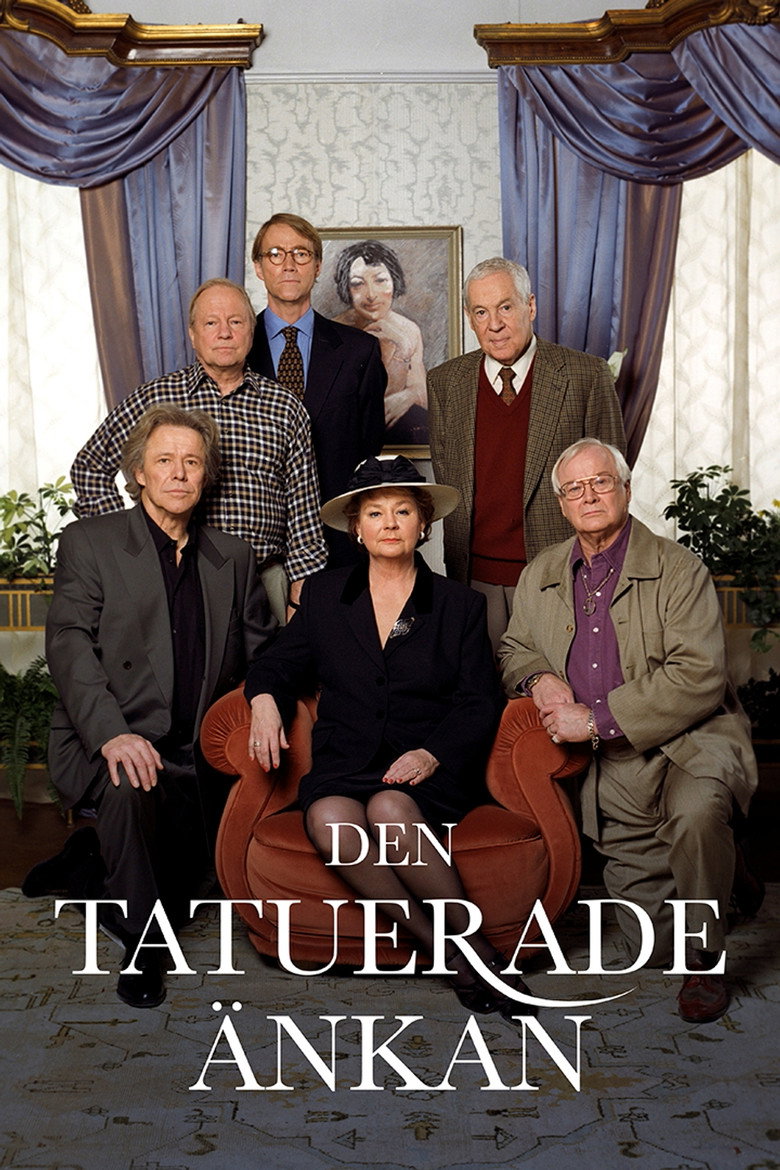
Ester is the perfect grandmother everyone expects her to be. But she unexpectedly inherits an old aunt and gets a big apartment and a lot of money. She decides to leave her husband, children and grandchildren to start her life over. Before long, she has four men who court her and she feels young once again.
Overall Score
Fair
Category Breakdown
LGBTQ+ Representation
The narrative focuses on Ester's courtship by four men, suggesting a traditional romantic framework. There is no explicit evidence of LGBTQ+ characters or non-heteronormative identities present.
Gender Representation
Ester subverts traditional gender hierarchies by prioritizing her own desires over her duties as a wife and matriarch. She reclaims her agency, challenging the archetype of the self-sacrificing female elder.
Racial & Ethnic Diversity
The film appears rooted in a specific European social context. There is a lack of visible intersectional racial representation within the provided narrative framework.
Religious & Cultural Diversity
The story critiques the sanctity of traditional domesticity by portraying the abandonment of the nuclear family as a path to self-actualization. It favors individual liberation over familial duty.
Disability Representation
There is no mention of characters with visible or invisible disabilities in the film's description.
Strengths
Areas for Improvement
AI Analysis
The film serves as a study of individual agency against the backdrop of social expectation. It succeeds most prominently by disrupting the 'perfect grandmother' trope, replacing domestic service with personal autonomy and romantic exploration. While the narrative achieves progressive value through its treatment of gender and cultural norms, it lacks significant markers of racial or LGBTQ+ diversity. The focus remains largely on a traditional romantic structure and a specific European social setting. Ultimately, the film's strength lies in its subversion of the domestic sphere, shifting the focus from communal responsibility to individualistic pursuit.
No reviews yet. Be the first to share your thoughts on this movie!
Use the rating form above to leave a star rating and optional review.