
The Tribe
2016
No user ratings available yet
Representation score: 4.1 out of 10
Representation Score
Good
2021
Director
Kelsey Egan
Runtime
94 minutes
Average Rating
No ratings yetNew Showbiz Analysis
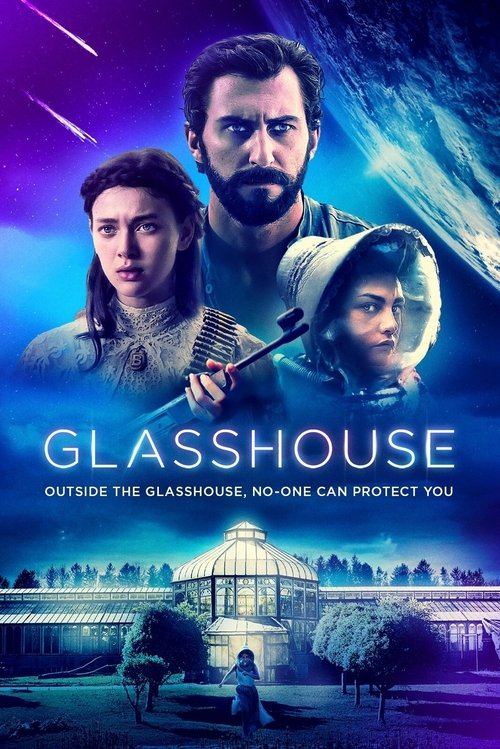
Glasshouse succeeds in subverting traditional domestic hierarchies by placing a matriarchal unit at the center of its speculative world. The film moves away from external authority, instead driving the tension through female autonomy and the consequences of individual choices. While the film explores complex themes of cognitive vulnerability and social isolation, it lacks specific data regarding racial diversity or explicit LGBTQ+ representation. The narrative's strength lies in its character-driven exploration of how isolated social structures collapse when faced with outside disruption.
Category Breakdown
The film emphasizes maternal bonds and sisterhood rather than exploring queer identities. There are no explicit depictions of non-straight relationships.
This production centers an all-female cast, replacing patriarchal structures with a matriarchal unit. Three distinct female characters drive the plot through their independent decision-making.
The narrative focuses on internal family dynamics, but the specific racial or ethnic composition of the cast is not provided. Consequently, no definitive assessment can be made.
The story critiques insulated, ritualistic societies through its depiction of sacred family rituals. It questions established communal norms and traditionalist structures by showing the breakdown of a closed system.
The environmental toxin known as the Shred serves as a metaphor for dementia and cognitive decline. The film portrays those affected as victims of neurological vulnerability rather than just villains.
Present on Screen
Limited or Absent
Official Synopsis
A mother and her three daughters — romantic Bee, sensible Evie, and child of nature Daisy — occupy the titular glass building, which has been completely sealed off to protect its occupants from a dementia-inducing toxin called the Shred that’s poisoning the air outside. Fearful of becoming like the lost souls who wander the abyss outside, the family keep a grasp on their past by performing sacred rituals. When Bee breaks the rules and lets an injured stranger into their midst, the family dynamic is shattered forever, as hidden truths upend the illusions the women have worked so hard to protect.
2016
2012
2019
2016
2015
2020
2016
2019
No reviews yet. Be the first to share your thoughts on this movie!
Use the rating form above to leave a star rating and optional review.