Eye of God
1997
No user ratings available yet
Representation score: 2.6 out of 10
Representation Score
Limited
2010
Not RatedDirector
Kang Woo-suk
Runtime
162 minutes
Average Rating
No ratings yetNew Showbiz Analysis
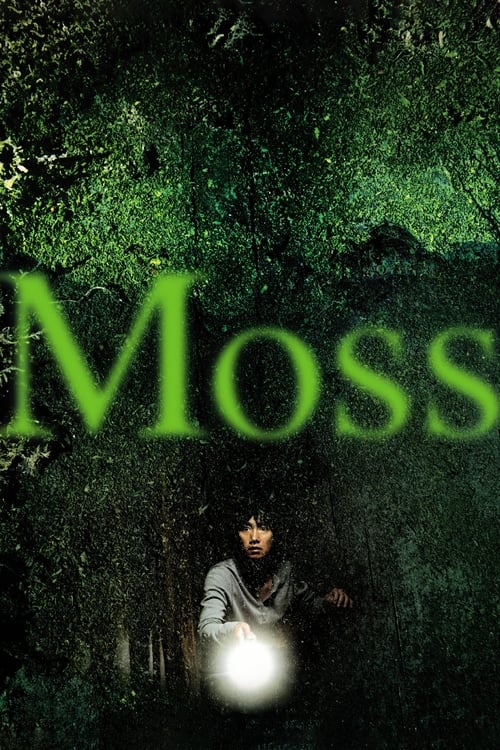
Moss is a psychological thriller that emphasizes a study of systemic dysfunction over demographic inclusivity. The film's strength lies in its critique of institutional power and the corruption of authority. It dismantles the notion of social cohesion by revealing how traditional structures like family and local leadership can be used for concealment. While the film lacks overt representation of LGBTQ+ identities or non-assuming gender matches what was assigned at birth narratives, it provides a sophisticated critique of institutional power and corruption. However, it remains limited by conventional casting and traditional masculine archetypes, offering little engagement with queer identities or nuanced disability representation.
Category Breakdown
The film adheres to a traditional focus on straight relationships and does not include any representations of LGBTQ+ identities. Character interactions center around patriarchal structures and family legacies.
The story is dominated by male characters and their roles, such as investigators and patriarchs. Female characters are mostly peripheral and do not play a central role in the plot.
The film is set in a small South Korean village with a very homogeneous population. The story revolves around conflicts between urban outsiders and rural insiders, without addressing ethnic diversity.
The film critiques traditional social institutions by depicting the village as an oppressive, corrupt entity. It challenges the idea of communal morality and social hierarchies.
The film does not focus on neurodivergence or physical disabilities. Psychological trauma and mental instability are portrayed as genre elements rather than nuanced explorations of disability.
Present on Screen
Limited or Absent
Official Synopsis
A city boy visits a remote village to find out the reason behind his father's strange death. The locals are watching his every move and are eager to see him leave. As he starts to investigate, the village's sinister secrets begin to unravel.
1997

2017

2012

2018

2013

2018

2006
2012
No reviews yet. Be the first to share your thoughts on this movie!
Use the rating form above to leave a star rating and optional review.