When Pigs Fly
1993
No user ratings available yet
Diversity score: 5.3 out of 10
2019
Director
Ross MacGibbon
Runtime
159 minutes
Average Rating
No ratings yetSynopsis
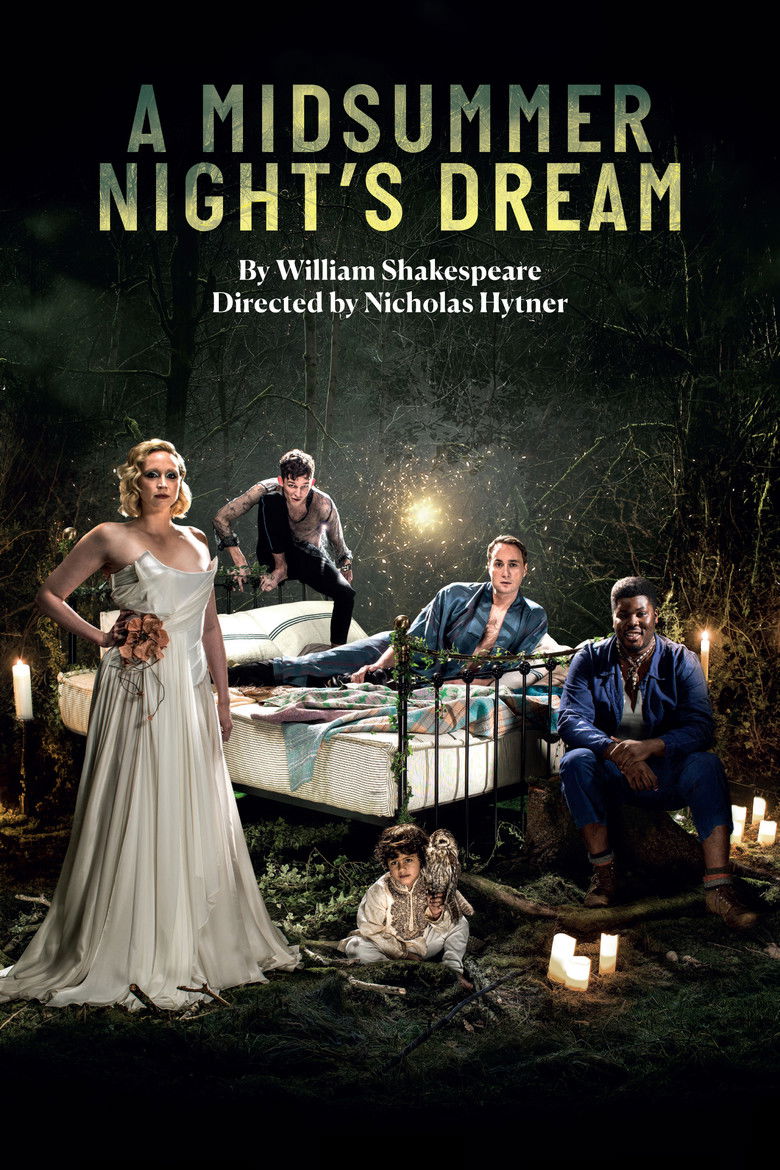
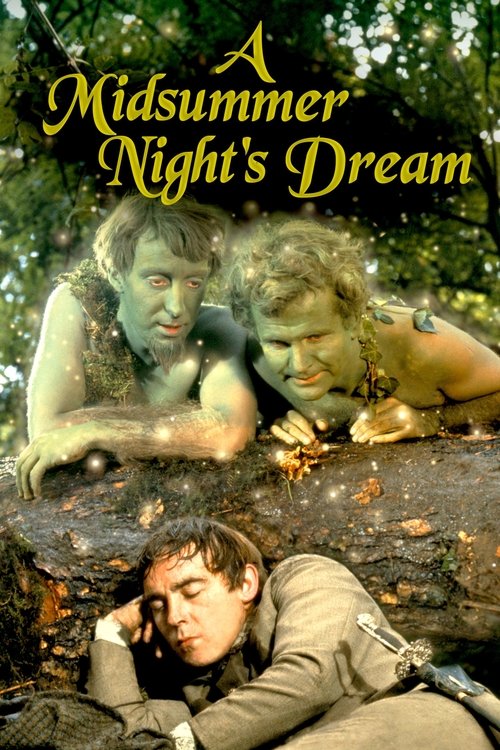
A feuding fairy King and Queen of the forest cross paths with four runaway lovers and a troupe of actors trying to rehearse a play. As their dispute grows, the magical royal couple meddle with mortal lives leading to love triangles, mistaken identities and transformations… with hilarious, but dark consequences.
Overall Score
Good
Category Breakdown
LGBTQ+ Representation
The production explores the inherent fluidity of desire found in the text. While it lacks explicit same-sex pairings, it uses magical interference to critique the arbitrary nature of heteronormative romantic structures.
Gender Representation
Female characters like Titania and Hermia drive the plot's emotional complexity. The staging destabilizes masculine dominance by portraying romantic power as a chaotic force that transcends traditional gendered expectations.
Racial & Ethnic Diversity
A multi-ethnic casting strategy integrates Black and South Asian actors into the fairy and Athenian realms. This race-blind approach deconstructs Eurocentric associations and presents a more globalized vision of the play.
Religious & Cultural Diversity
The production critiques rigid societal structures by contrasting Athenian law with the anarchic forest. The Mechanicals further challenge established social hierarchies through their comedic dysfunction.
Disability Representation
The Mechanicals are portrayed through a lens of social and cognitive eccentricity. However, these depictions function primarily as comedic devices rather than characters with individual agency.
Strengths
Areas for Improvement
AI Analysis
This production succeeds in modernizing Shakespeare through intentional, multi-ethnic casting and a postmodern staging that disrupts traditionalist tropes. By moving away from homogeneous depictions of nobility, it creates a more inclusive mythological world. However, the work struggles with depth in certain areas. While it subverts gender hierarchies and explores romantic instability, it lacks explicit LGBTQ+ identities and relies on eccentricity for comedic disability representation. Ultimately, the film offers a progressive narrative architecture that challenges conventional Western social structures, even if some character portrayals remain tied to traditional comedic archetypes.
1993
2022
2018

2017
1947
2016
2017
2004

2016
2022
1968

2022
No reviews yet. Be the first to share your thoughts on this movie!
Use the rating form above to leave a star rating and optional review.