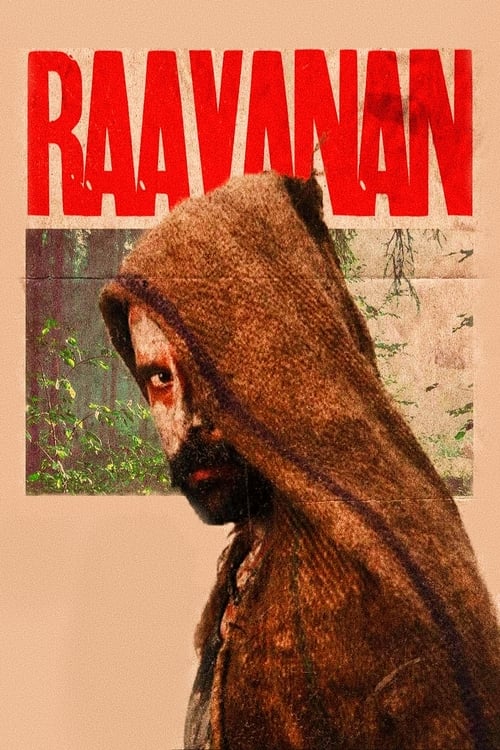
Raavanan
2010
No user ratings available yet
Representation score: 5.6 out of 10

Representation Score
Good
2010
Not RatedDirector
Mani Ratnam
Runtime
138 minutes
Average Rating
No ratings yetNew Showbiz Analysis
Mani Ratnam’s film succeeds by deconstructing the hero-villain binary through a post-colonial lens. It moves away from moral absolutism to explore the tension between state authority and indigenous autonomy. The strength of the film lies in its complex characterization and its refusal to rely on tired formulas. By centering the conflict on underrepresented ethnic groups and actively leading female leadership, it offers a sophisticated social critique. However, the narrative remains limited by its narrow focus on straight relationships and a lack of representation regarding disabilities.
Category Breakdown
The film does not include explicit LGBTQ+ characters or non-straight relationships. The central romance follows a traditional heterosexual relationship without any visible queer presence.
Veera disrupts traditional hierarchies as a strong leader of a rebel faction. She is an intellectual and physical equal to the protagonist rather than a passive object.
The story provides meaningful representation of Adivasi communities. Their socioeconomic struggles and fight against systemic displacement drive the central plot.
The film uses moral relativism to critique state-sanctioned morality. It portrays the outlaw with empathy, highlighting the friction between institutionalism and tribal life.
There are no prominent depictions of physical or neurodivergent disabilities that serve as central character traits or drive the narrative.
Present on Screen
Limited or Absent
Official Synopsis
A bandit leader kidnaps the wife of the policeman who killed his sister, but later falls in love with her.
2010

2014

2013

2015
1992

2004

2000
2010
No reviews yet. Be the first to share your thoughts on this movie!
Use the rating form above to leave a star rating and optional review.