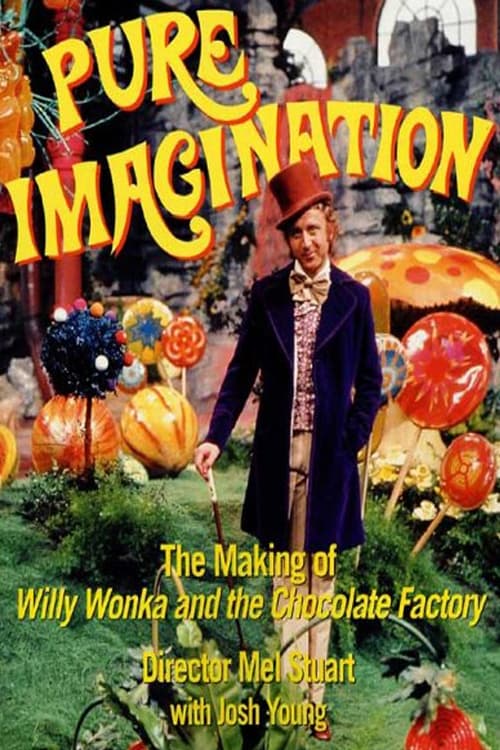
Pure Imagination: The Story of 'Willy Wonka & the Chocolate Factory'
2001
No user ratings available yet
Representation score: 0.6 out of 10

Representation Score
Limited
2005
Director
Sam Hurwitz
Runtime
7 minutes
Average Rating
No ratings yetNew Showbiz Analysis
This documentary serves as a technical exploration of auditory production rather than a narrative feature. It focuses almost exclusively on the songwriting processes of Danny Elfman and the musicality of the existing intellectual property. Because the film is a specialized profile of a specific composer, it lacks the structural intent to drive progressive representation. The content remains within the bounds of traditional Western film scoring and professional biography. Ultimately, the work does not aim to challenge social hierarchies or address diverse identities, resulting in a score that reflects a standard, non-challenging approach to the genre.
Category Breakdown
The documentary focuses on Danny Elfman's songwriting processes. It does not include any characters with LGBTQ+ identities or explore non-traditional gender roles.
The film centers on Elfman's professional creative challenges. It functions as a typical professional profile without examining traditional gender roles or hierarchies.
The subject matter is centered on Western musical composition. There is no indication of a diverse cast or narratives addressing racial diversity.
The work celebrates craftsmanship within the established Hollywood musical framework. It does not prioritize narratives that critique Western institutions or anti-capitalist themes.
There is no documented evidence regarding the portrayal of physical disabilities, neurodivergence, or mental health conditions.
Present on Screen
Limited or Absent
Official Synopsis
Discover information from Burton, Elfman, Roy, and Jaynes. This one focuses on the movie’s Oompa-Loompa songs and offers one of the disc’s better programs. Elfman eloquently discusses all of his challenges and gives us a nice look at his song-writing processes.
2001

2015

2004

2014
2010
1990

2020

2018
No reviews yet. Be the first to share your thoughts on this movie!
Use the rating form above to leave a star rating and optional review.