
Scales
2017
No user ratings available yet
Representation score: 3.2 out of 10
Representation Score
Limited
2026
Director
Miloslav Šmídmajer
Runtime
117 minutes
Average Rating
No ratings yetNew Showbiz Analysis
Princess Stella opens with a body that refuses to stay still, a visual metaphor for the anxiety of adolescence that the film quickly medicalizes. The sold meaning is clear: a stable, singular identity is the only acceptable endpoint for a young woman. The camera loves Stella’s confusion but treats her transformations as a symptom to be excised, not a feature to be explored. The King and Queen, billed as the royal authority, remain static and supportive, reinforcing the traditional hierarchy where the family unit exists to correct the individual. The film’s argument is that deviation from the norm is a temporary illness, and the cure is conformity. There is no contradiction here, only a gentle, family-friendly reinforcement of the status quo. The last image, implied by the "cure" premise, will likely show a settled, unchanging princess, rewarding the audience with the comfort of a fixed identity. It is a safe, low-stakes fantasy that never challenges the structures it inhabits, treating the monarchy and the binary body as natural, unproblematic facts of the world.
Category Breakdown
No queer intimacy or identity appears. The narrative tracks a heterosexual princess’s physical shifts and romantic prospects. The cast list and synopsis contain no non-binary framing or same-sex relationships.
Stella actively seeks a cure, yet her value hinges on a normal female body by eighteen. The King and Queen remain passive authorities, while the maid serves as a background helper. No woman holds political power or challenges the patriarchal structure.
The cast is exclusively Czech and Slovak, reflecting the local production context. No non-white characters appear in credited roles or the synopsis. The fantasy setting introduces no diverse ethnicities or global perspectives.
Monarchy and royal lineage function as the default social order, with the King and Queen central. The illness framing treats deviation from stable identity as a problem to solve by eighteen. Traditional family structures are upheld as the ideal state.
Stella’s daily transformations are framed as a curable illness, positioning bodily variance as a defect requiring correction. The goal is a single, stable form by adulthood, reinforcing normative standards. No other disabled characters appear in the cast.
Present on Screen
Limited or Absent
Official Synopsis
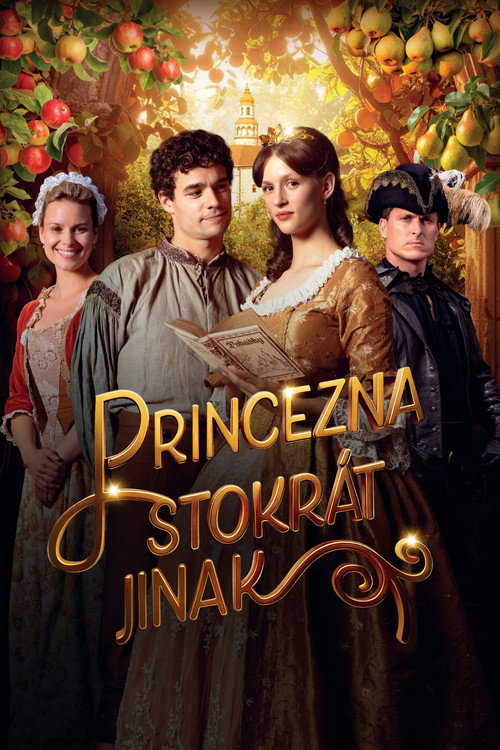
Princess Stella wakes up every day in a different form. She has one week left until her eighteenth birthday, and if she cannot be cured of this strange illness, she will continue to transform throughout her life.
2017
2021

2023
2017
2022

1986

1991

2022
No reviews yet. Be the first to share your thoughts on this movie!
Use the rating form above to leave a star rating and optional review.