The Dream Children
2015
No user ratings available yet
Representation score: 4.5 out of 10
Representation Score
Good
2015
Director
Michelle Clay
Runtime
110 minutes
Average Rating
No ratings yetNew Showbiz Analysis
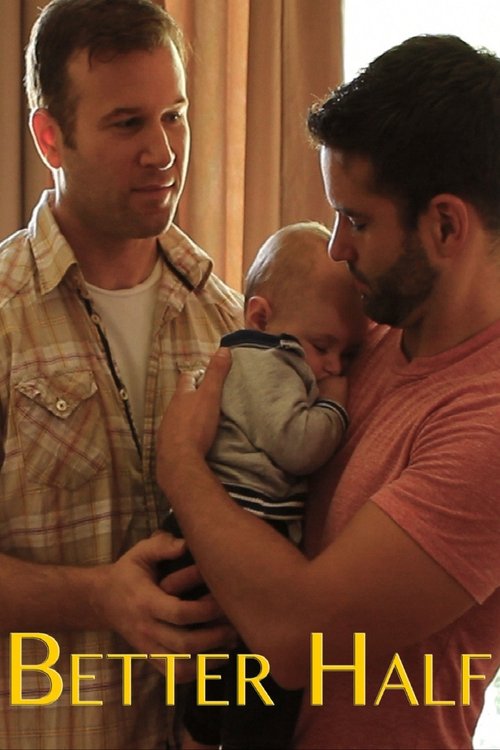
Better Half provides a nuanced exploration of non-traditional domesticity by centering a queer narrative within the universal theme of parenthood. The film grants its protagonists dignity and shifts the focus of conflict from their sexual orientation to the complexities of commitment. While the film excels in depicting emotional nuance within a same-sex relationship, it lacks clear representation of racial diversity and depth in handling medical vulnerability. The infant's condition drives the plot, but the narrative's engagement with disability remains ambiguous. Ultimately, the work challenges conventional family structures by focusing on the internal pressures faced by a long-term couple making life-altering decisions.
Category Breakdown
The film focuses on a committed same-sex relationship between Tony and Leo. It avoids conflicts based on sexual identity and instead delves into the psychological transition into parenthood.
The story challenges traditional masculine stereotypes by highlighting emotional vulnerability. Tension arises from the emotional effort and internal fears needed to sustain a male-centric partnership.
There is no information available regarding the racial composition of the cast or the community. A score cannot be accurately assigned.
The narrative explores unconventional family formation through personal intuition. It prioritizes situational ethics and personal negotiation over traditional biological or institutional norms.
An ill infant serves as the main catalyst for the plot. However, it is unclear whether the film treats the infant's condition with dignity or simply as a device.
Present on Screen
Limited or Absent
Official Synopsis
For years, Tony and Leo have been a happy couple. They had always talked about having a child... someday. So when a sickly infant is abandoned at a local hospital, Tony sees it as a sign. Suddenly, Leo is confronted with making good on his promise to start a family; he must face his deep-seeded fears of being a father, or risk losing Tony altogether.
2015

2011

2019

2022

2024
2012

1970

2019
No reviews yet. Be the first to share your thoughts on this movie!
Use the rating form above to leave a star rating and optional review.