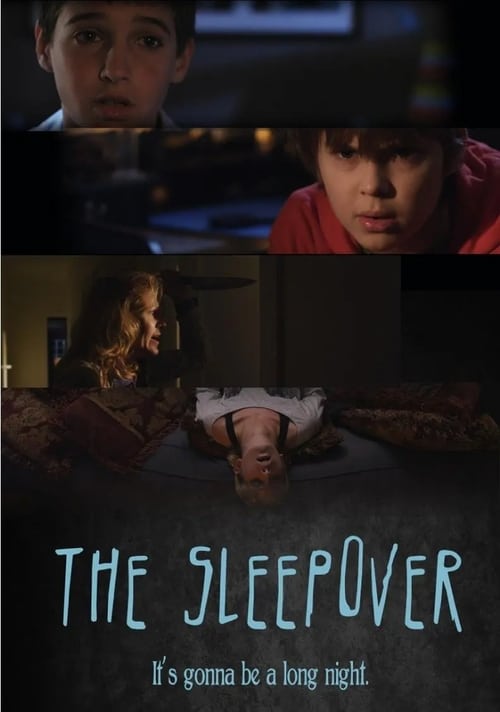
The Sleepover
2012
No user ratings available yet
Representation score: 3.1 out of 10
Representation Score
Minimal
2017
NRDirector
Megan Freels Johnston
Runtime
96 minutes
Average Rating
No ratings yetNew Showbiz Analysis
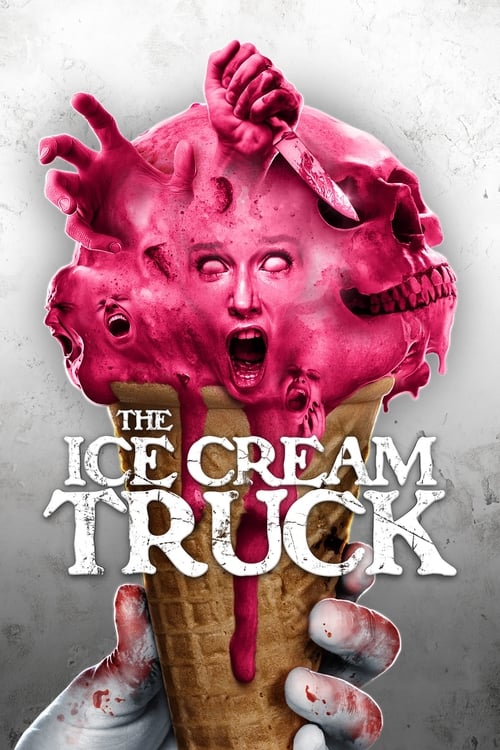
The Ice Cream Truck operates primarily as a traditional horror-thriller. Its main contribution to representation is the central role of the female protagonist, Mary, who navigates the suburban landscape with ability to act. However, the film lacks multi-layered depth and fails to incorporate diverse racial, cultural, or LGBTQ+ perspectives that would challenge standard social hierarchies. Ultimately, while the film avoids some male-centric survival clichés, it remains a standard genre exercise without broader social or systemic critique.
Category Breakdown
The film does not feature any LGBTQ+ characters or narratives that question the assumption that everyone is straight or cisgender. It follows a conventional storyline without any explicit references to queer relationships or experiences.
Mary, the female protagonist, plays a significant role in driving the story. This avoids the 'damsel in distress' cliché by giving her a leading role.
The film does not show multi-layered racial dynamics or have a non-Anglo-Saxon majority cast. There is no evidence of multiculturalism or actors from different backgrounds playing roles traditionally associated with specific races.
The narrative uses the suburban nightmare cliché to critique Western domestic stability. However, it does not provide deeper critiques of religion or capitalism.
The film does not depict neurodivergence, chronic illness, or characters with visible or invisible disabilities.
Present on Screen
Limited or Absent
Official Synopsis
Mary moves back to her suburban hometown to find that the suburbs are scarier in more ways than she ever remembered.
2012
2018
2019

2016
2015

2017
2009
2015
No reviews yet. Be the first to share your thoughts on this movie!
Use the rating form above to leave a star rating and optional review.