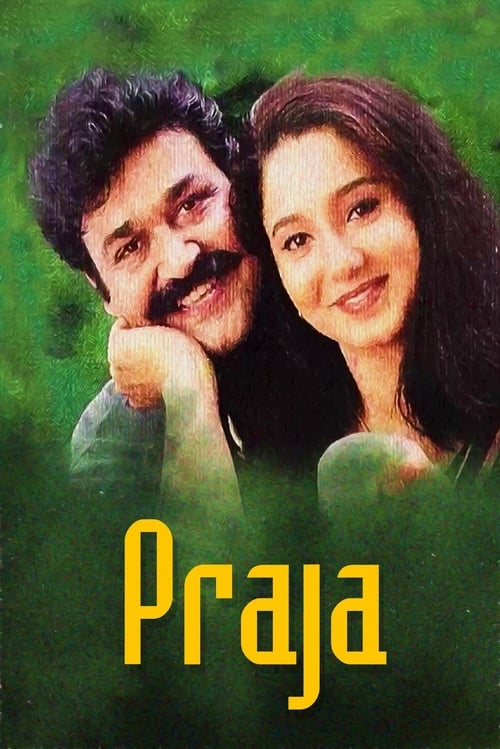
Praja
2001
No user ratings available yet
Representation score: 2.2 out of 10
Representation Score
Limited
2010
Director
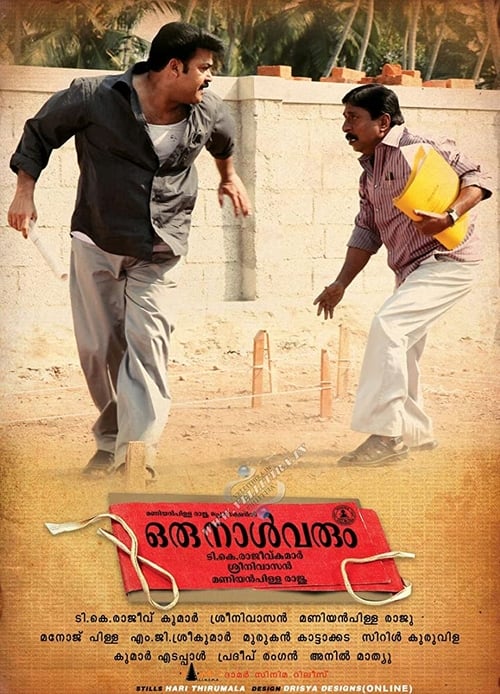
T. K. Rajeev Kumar
Runtime
150 minutes
Average Rating
No ratings yetNew Showbiz Analysis
Oru Naal Varum functions primarily as a social satire aimed at deconstructing institutional hypocrisy. The film prioritizes a critique of systemic corruption over demographic variety, using the protagonist's subversion of official roles to highlight the failures of legal frameworks. While the film lacks representation for LGBTQ+ or neurodivergent identities, it achieves a progressive edge through its thematic focus. It challenges the integrity of bureaucratic institutions, framing them as obstacles to justice rather than pillars of order. Ultimately, the work is a culturally specific critique of power dynamics, using satire to expose the misuse of state resources and the decay of middle-class morality.
Category Breakdown
The film does not include any LGBTQ+ characters or stories about non-assuming gender matches what was assigned at birth identities. It focuses on traditional family and professional roles.
The story revolves around conflicts between male characters. Women are shown mainly in roles such as wives and daughters, often defined by their relationships to men.
The cast and setting are culturally uniform, reflecting the specific cultural context of Kerala. The film operates within its own cultural ecosystem without disrupting ethnic homogeneity.
The narrative employs satire to expose corruption within government institutions. It challenges the perceived benevolence of state authority by portraying bureaucracy as a site of moral decay.
There are no visible or invisible disabilities featured as central to the character arcs or plot progression.
Present on Screen
Limited or Absent
Official Synopsis
Nandhakumar, an honest police officer, lays a trap to capture Gopi Krishnan, a corrupt town planner. Though his attempts fail, Nandhakumar is not ready to give up.
2001
2018

2013
2013

2008
2022
2013
1986
No reviews yet. Be the first to share your thoughts on this movie!
Use the rating form above to leave a star rating and optional review.