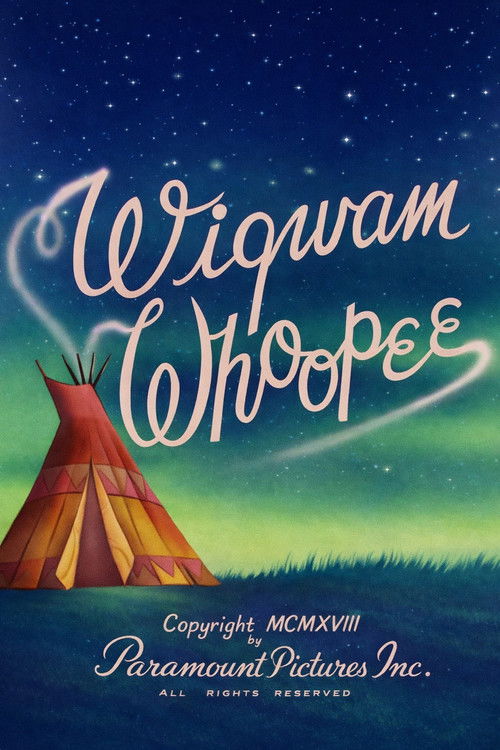
Wigwam Whoopee
1948
No user ratings available yet
Representation score: 0.0 out of 10
Representation Score
Minimal
1933
Director
Mannie Davis
Runtime
6 minutes
Average Rating
No ratings yetNew Showbiz Analysis
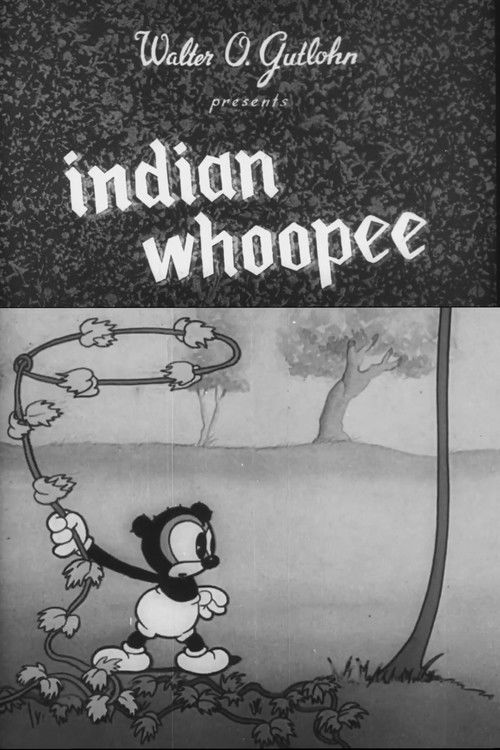
Indian Whoopee is a product of the early 1930s studio system, reflecting the era's standard social hierarchies. The narrative centers on Cubby Bear's fantasy about the Pilgrim era, a subject matter that historically relies on colonial clichés. The film lacks depth in representing diverse identities, functioning within a non-challenging framework. It appears to reinforce the racial and cultural biases of its time rather than questioning them. Ultimately, the work serves as a historical artifact of early animation, characterized by simplified caricatures and traditional gender roles common to the period.
Category Breakdown
The film does not include any characters with LGBTQ+ identities. In the context of 1933 animations, such themes were not part of mainstream productions.
The character dynamics follow traditional gender roles typical of early animation. There is no indication of women taking a leading role or subverting male dominance.
The title and Pilgrim-themed premise suggest a reliance on simplified ethnic stereotypes. The narrative likely uses racialized caricatures common to the colonial-era depictions of 1933.
The story is set within a traditional Western historical framework. It appears to celebrate colonial-era themes through simplified narratives rather than offering cultural critique.
There is no evidence of characters with visible or invisible disabilities. The film lacks any representation of neurodivergence or physical disability.
Present on Screen
Limited or Absent
Official Synopsis
Cubby Bear imagines himself living during the the time of the pilgrims.
1948
1949
1933
1933
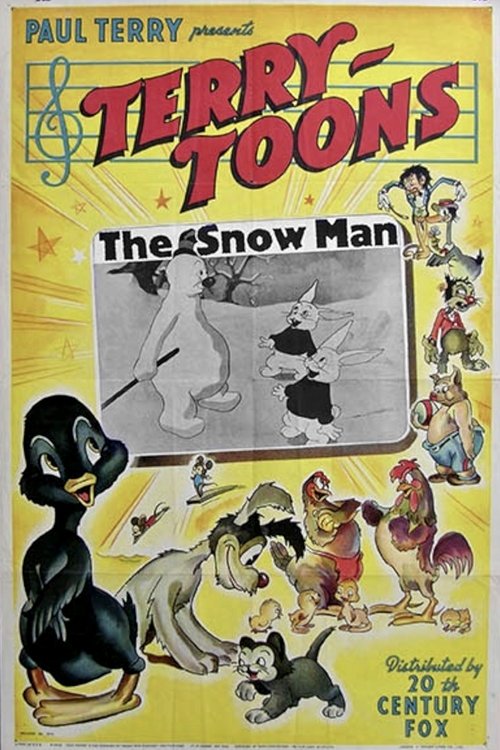
1940
1936
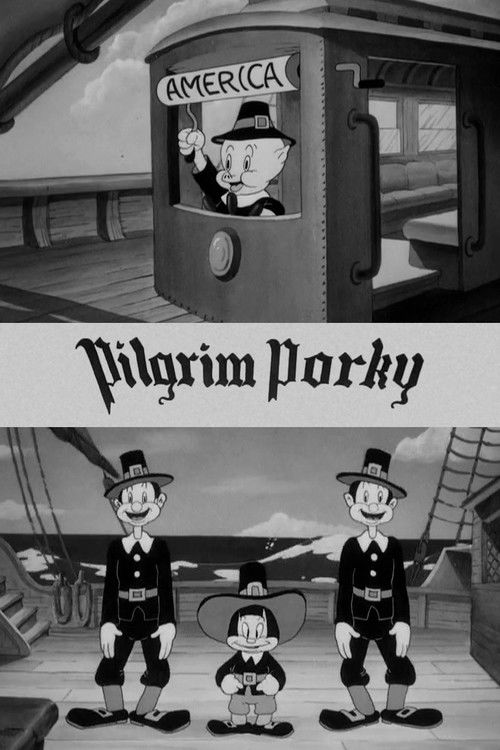
1940
1934
No reviews yet. Be the first to share your thoughts on this movie!
Use the rating form above to leave a star rating and optional review.