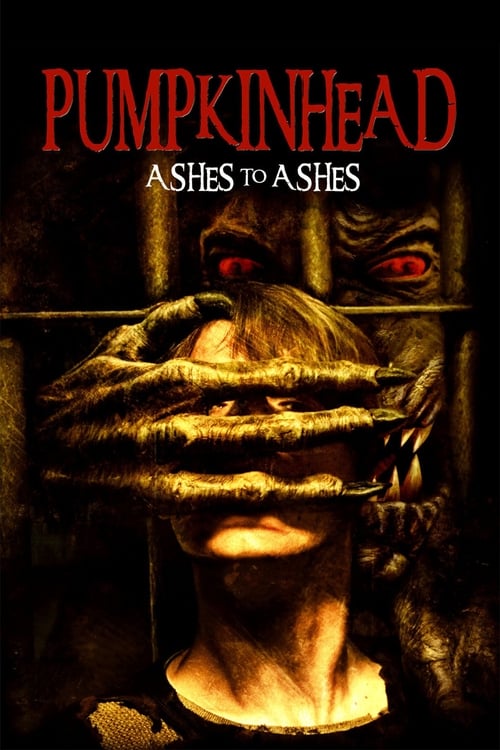
Pumpkinhead: Ashes to Ashes
2006
No user ratings available yet
Representation score: 1.2 out of 10
Representation Score
Limited
2020
NRDirector
Armando Fonseca, Kapel Furman
Runtime
89 minutes
Average Rating
No ratings yetNew Showbiz Analysis
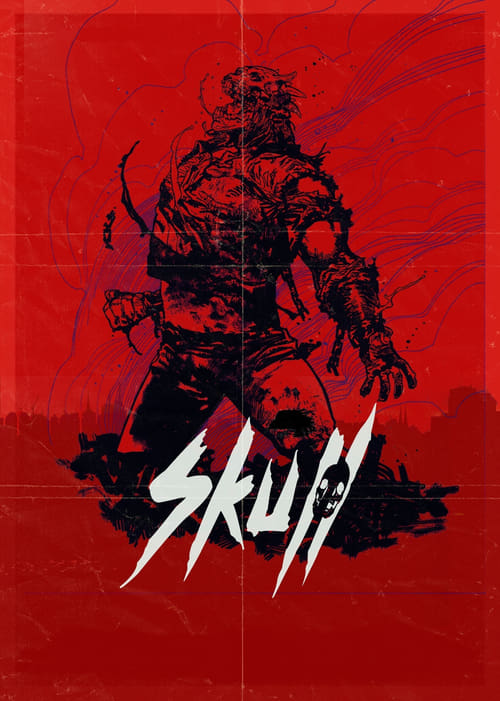
Skull: The Mask sets itself apart through a strong commitment to non-Western storytelling. By grounding the horror in Tupi-Guarani mythology, the film offers a refreshing departure from standard Hollywood clichés, providing significant cultural and ethnic depth. However, the film's impact is uneven. While the mythological framework is robust, the narrative appears to lack depth in gendered character arcs or LGBTQ+ representation, focusing instead on primal, supernatural forces. Ultimately, the film serves as a powerful example of cultural reclamation, even if it remains narrow in its exploration of social identities.
Category Breakdown
The film does not include any explicit LGBTQ+ characters. The storyline focuses solely on the supernatural elements of the mask and the ritualistic revenge.
Gender representation is minimal, as the plot centers around the ability to act of a deity and a mask. There is no indication of a nuanced exploration of gendered power dynamics.
The film stands out by emphasizing Tupi-Guarani mythology. By featuring Anhangá, the story breaks away from Western horror conventions and recaptures non-Anglo-Saxon mythological spaces through indigenous folklore.
The narrative challenges Western structures by prioritizing a non-Christian framework. It replaces traditional morality with a mythological inevitability driven by divine necessity and ritual.
There is no information regarding the inclusion of characters with visible or invisible disabilities within the film's context.
Present on Screen
Limited or Absent
Official Synopsis
The story of an ancient mask that possesses the human form to commit visceral sacrifices of vengeance for the incarnation of its God.
2006
2020
2013

2022

2019

2020
2015
2019
No reviews yet. Be the first to share your thoughts on this movie!
Use the rating form above to leave a star rating and optional review.