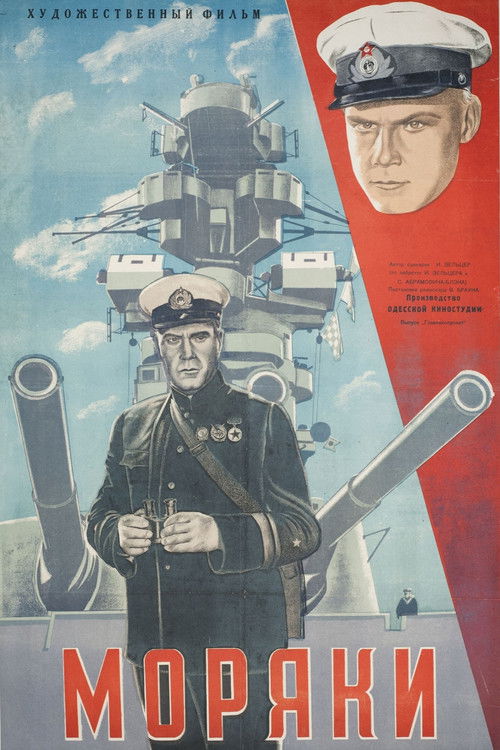
Sailors
1939
No user ratings available yet
Representation score: 2.4 out of 10
Representation Score
Limited
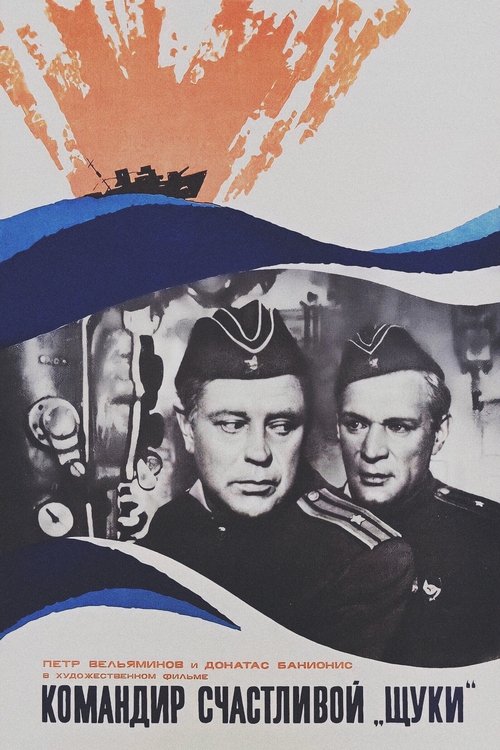
1973
Director
Boris Volchek
Runtime
101 minutes
Average Rating
No ratings yetNew Showbiz Analysis
The film is a traditional historical drama that emphasizes national unity and conventional heroic figures. It focuses on the collective struggles of the Soviet military during World War II. While the protagonist showcases intellectual skills through tactical innovations, the narrative remains anchored in the social and institutional structures of its time. The film engages minimally with progressive social frameworks. Ultimately, the work celebrates state-aligned duty and the sacrificial male leader, offering a narrow perspective on social identity.
Category Breakdown
The film does not include any LGBTQ+ characters or narratives. It emphasizes a traditional, straight-focused camaraderie typical of 1970s Soviet military cinema.
The story revolves around a male-dominated military structure. Although Captain Strogov displays intellectual prowess, his role upholds traditional masculine stereotypes without challenging them.
The cast likely includes actors representing the diverse ethnicities of the Soviet Union. However, these portrayals emphasize national unity rather than exploring complex intersections of identity.
The narrative highlights state-aligned morality and patriotism. It focuses on duty and heroism, reinforcing traditional Soviet values about the importance of military service.
There is no depiction of neurodivergence or physical disabilities. Physical injuries shown in the film primarily serve as plot devices for sacrifice.
Present on Screen
Limited or Absent
Official Synopsis
1942, Polar region. The Germans are preparing to capture Murmansk. The submarine Sch-721 is considered lucky, and its captain Aleksei Strogov has the ability to extricate himself from the most difficult situations. He also develops tactics for a periscope-free torpedo attack, despite the skepticism of colleagues and management. And now, when the Happy "Pike" had to take on board the crew of another Soviet submarine, and she was on the seabed with almost no oxygen, Aleksei manages to save people and perform the operation, paying for it with his life...
1939

1981
2005

1979
1942
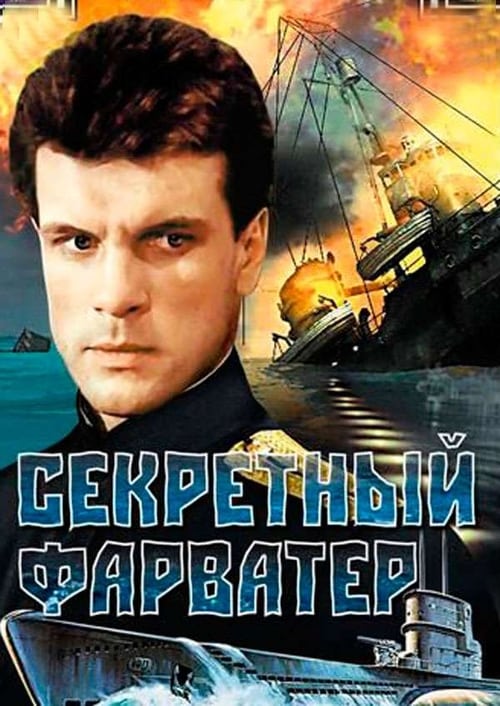
1986
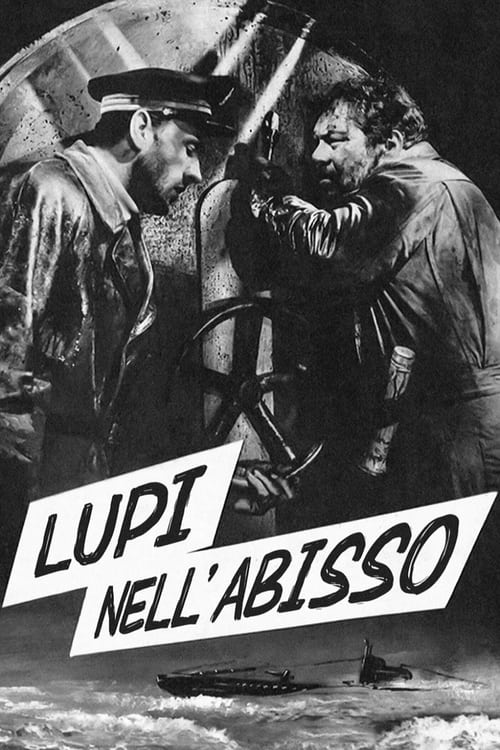
1959
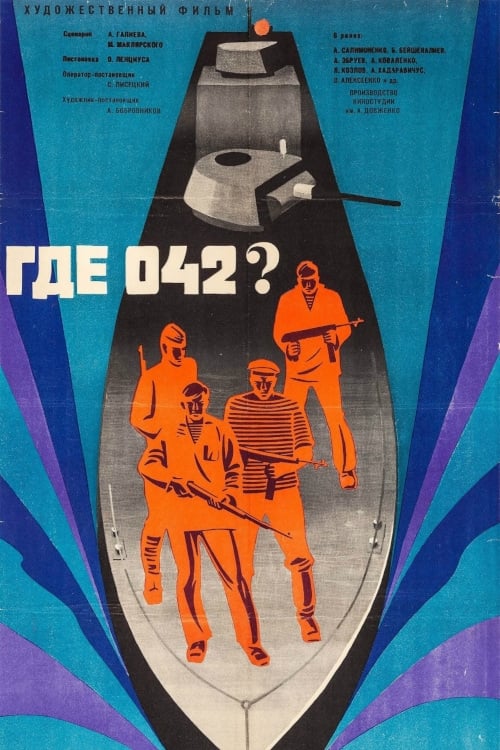
1970
No reviews yet. Be the first to share your thoughts on this movie!
Use the rating form above to leave a star rating and optional review.