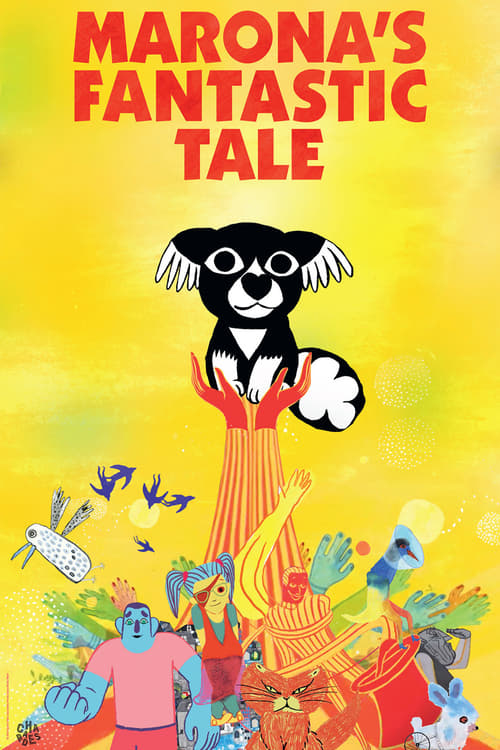
Marona's Fantastic Tale
2020
No user ratings available yet
Representation score: 7.3 out of 10

Representation Score
Fair
2018
Director
Juan Olarte, Valérian Desterne, Lucile Palomino, Juan Pablo De La Rosa Zalamea, Céline Collin, Rebecca Black, Carlos Osmar Salazar Tornero
Runtime
8 minutes
Average Rating
No ratings yetNew Showbiz Analysis
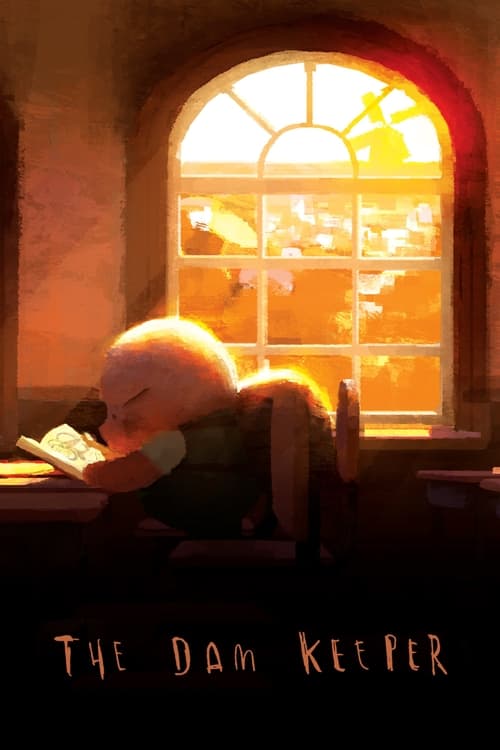
After the Rain is an ecological allegory that prioritizes systemic life cycles over individual survival. By centering on a non-human protagonist and a mystical shepherd, the film moves away from traditional human-centric social dynamics. The production utilizes a highly collaborative, multi-director approach, suggesting a non-traditional creative model that avoids the singular auteur approach. While the film lacks explicit human demographic representation, its narrative architecture successfully disrupts conventional clichés of dominion and extraction. It favors a philosophy of creative stewardship and environmental continuity.
Category Breakdown
The story centers on interspecies companionship and ecological stewardship without depicting any specific LGBTQ+ identities or romantic relationships.
The film avoids traditional gender hierarchies by focusing on a mystical shepherd who subverts typical masculine roles found in pastoral settings.
Set in a pastoral landscape, the story does not include explicit racial or ethnic identifiers. The focus is on environmental harmony and species-based ability to act.
The film emphasizes progressive values through its focus on ecological interconnectedness and a non-materialistic, pantheistic worldview.
There are no specific disabilities mentioned, but the shepherd's unique nature and the dog's need for creativity suggest a value for non-standard approaches to problem-solving.
Present on Screen
Limited or Absent
Official Synopsis
In green pastures, a dog lives happily alongside its master, an old and very unusual shepherd. The shepherd isn't merely content to shear his sheep, but transforms the wool into clouds to create rain, thereby perpetuating the life cycle. But if the shepherd isn't eternal, what will happen to the valley? The young dog must be creative and persevere in order to avoid the worst.
2020
2018

2015

2016

2019
2014
2015
2005
No reviews yet. Be the first to share your thoughts on this movie!
Use the rating form above to leave a star rating and optional review.