Meat Stew, Original Recipe
2019
No user ratings available yet
Representation score: 3.0 out of 10
Representation Score
Limited
2013
Not RatedDirector
Jordi Mariscal
Runtime
101 minutes
Average Rating
No ratings yetNew Showbiz Analysis
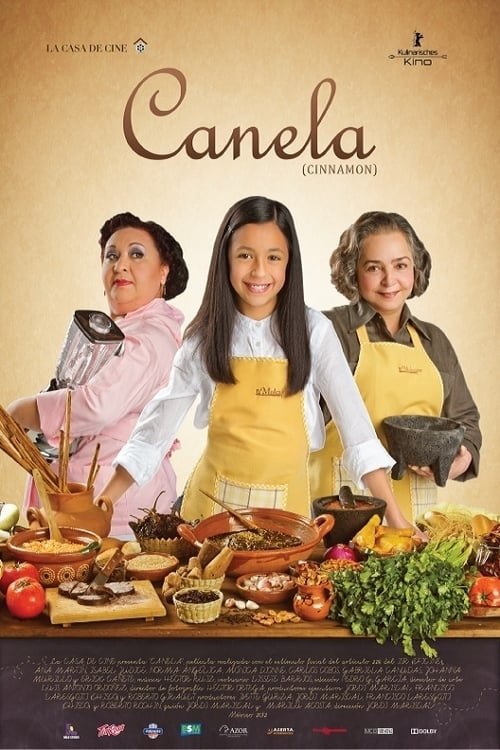
Canela is a culturally specific comedy that centers on the preservation of Mexican culinary heritage. The film succeeds by placing ethnic identity and female control over the narrative at the heart of its conflict, using the preparation of traditional Mole as a symbol of ancestral continuity. However, the film operates within a conventional framework. It prioritizes the maintenance of established family structures and traditional customs rather than seeking to challenge or critique them. This adherence to traditionalism limits its broader social commentary. Ultimately, while the film offers a rich celebration of specific cultural textures, its narrative structure remains rooted in traditional social values.
Category Breakdown
The narrative focuses entirely on familial bonds and culinary rivalry. There is no evidence of non-traditional gender identities or stories addressing the assumption that everyone is straight or cisgender.
The film features a female-centric space where Maria and Doña Tere drive the plot. These women exercise significant control over the story through the preservation of tradition within a matriarchal lineage.
Deeply rooted in Mexico City, the film prioritizes indigenous culinary traditions like the preparation of Mole. It validates ethnic heritage by resisting the homogenization of globalized trends.
The story emphasizes the preservation of traditional institutions and ancestral recipes. It explores the tension between conventional social values and modern, fusion lifestyles.
There is no visible or mentioned depiction of physical or neurodivergent disabilities in the narrative.
Present on Screen
Limited or Absent
Official Synopsis
Maria is a girl who loves to cook and lives with his grandmother, Doña Tere, in Mexico City's downtown. Doña Tere has a traditional Mexican restaurant called "El Molcajete". After the death of her daughter, Doña Tere abandoned his passion for cooking and stopped working in "El Molcajete", now operating under the direction of chef Rosi. Maria does everything possible to bring her grandmother back to the restaurant, while chef Rosi cooks dishes according to new trends in fusion cuisine which highlights the light food, but Maria and Doña Tere won't accept the traditional flavors and cooking secrets to be forgotten. The cuisine battle between Tere and chef Rosi is an epic fight not only between long-stablished mexican food and light food, but also a struggle of family bonds, friendship, cooking secrets, flavour’s passion and more than two hundred ingredients that are needed in order to prepare Mole, a traditional mexican sauce.
2019
2009
2009
2017
2018
2008

2001
2025
No reviews yet. Be the first to share your thoughts on this movie!
Use the rating form above to leave a star rating and optional review.