
Anna
2013
No user ratings available yet
Representation score: 5.2 out of 10
Representation Score
Good
2016
Not RatedDirector
Ed Gass-Donnelly
Runtime
92 minutes
Average Rating
No ratings yetNew Showbiz Analysis
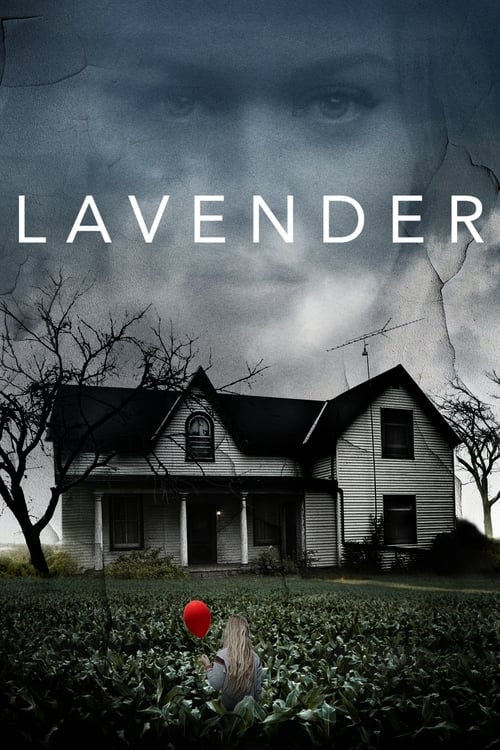
Lavender succeeds as an intimate character study that uses the thriller genre to explore queer identity and female control over the narrative. By centering a lesbian relationship, the film moves past superficial representation to make sexual identity integral to the protagonist's psychological journey. However, the film's impact is limited by a lack of racial and ethnic diversity. The setting feels localized and homogeneous, focusing heavily on the protagonist's specific identity struggles rather than broader perspectives that reflect multiple aspects of identity. Ultimately, the film is a meaningful example of non-straight storytelling. It effectively uses genre clichés to examine the fluid nature of truth and the complexities of navigating personal identity through a lens of cognitive impairment.
Category Breakdown
The film centers a lesbian relationship as its emotional core, avoiding superficial representation. It integrates queer identity into the protagonist's struggle with memory and self-perception, challenging conventional storytelling.
This is a narrative driven by women, emphasizing psychological autonomy and interpersonal relationships. It subverts traditional hierarchies by using female emotional intelligence and control over the story.
The film appears to focus on a relatively homogeneous social environment. There is no significant evidence of a multi-ethnic cast or a deliberate disruption of Anglo-centric casting patterns.
The story prioritizes individual identity formation over traditional communal or religious structures. It favors a nuanced, situational understanding of personal truth over a singular, stable social norm.
Memory loss serves as a central plot device and cognitive impairment. While the protagonist actively participates in reconstructing her reality, the condition also acts as a catalyst for thriller elements.
Present on Screen
Limited or Absent
Official Synopsis
A photographer struggling with memory loss discovers her pictures may indicate something sinister is hitting close to home.
2013

2009

2017

2015

2016
2019

2017

2021
No reviews yet. Be the first to share your thoughts on this movie!
Use the rating form above to leave a star rating and optional review.