Inner Worlds, Outer Worlds
2012
No user ratings available yet
Diversity score: 6.3 out of 10
2017
Director
Daniel Schmidt
Runtime
60 minutes
Average Rating
No ratings yetSynopsis
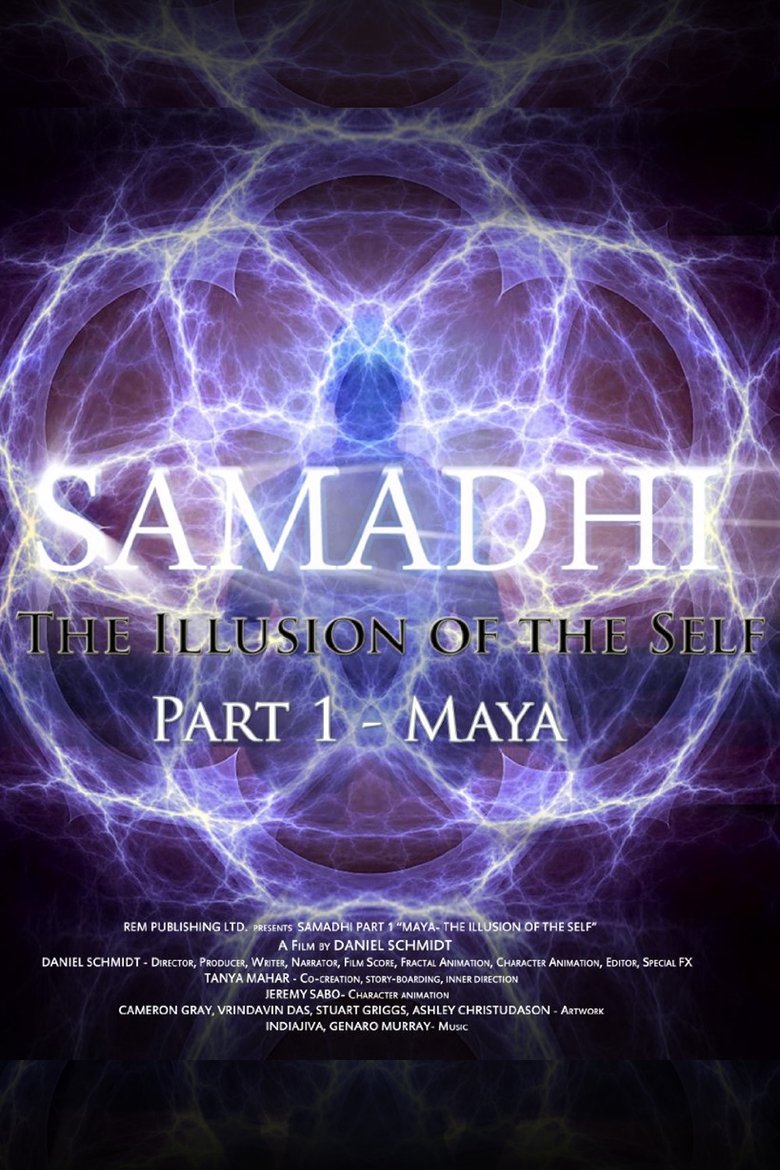
Samadhi Part 1 (Maya the Illusion of the Self) is the first installment in a series of films exploring Samadhi. Samadhi is an ancient Sanskrit word which points toward the mystical or transcendent union that is at the root of all spirituality and self inquiry. The saints, sages and awakened beings throughout history have all learned the wisdom of self surrender.
Overall Score
Good
Category Breakdown
LGBTQ+ Representation
The documentary lacks explicit LGBTQ+ character arcs or queer-coded narratives. It maintains a neutral stance, neither centering heteronormative romance nor providing specific depictions of non-cisnormative identities.
Gender Representation
The film focuses on saints and sages, which may subvert traditional gender hierarchies. By prioritizing spiritual identity over social roles, it offers a moderate potential for deconstructing the gendered ego.
Racial & Ethnic Diversity
The narrative shifts away from Western-centric epistemologies by rooting its core in Sanskrit philosophy. It disrupts Western intellectual dominance by centering Eastern mysticism and historical sages from diverse origins.
Religious & Cultural Diversity
The film provides high progressive framing by emphasizing non-specific spirituality. It critiques Western individualism and materialist capitalism through the lens of ancient, non-Western wisdom and self-surrender.
Disability Representation
There is no evidence regarding the portrayal of physical or neurodivergent identities within the film's content.
Strengths
Areas for Improvement
AI Analysis
This documentary distinguishes itself by centering Eastern metaphysical concepts rather than Western-centric philosophies. By focusing on Sanskrit traditions and the deconstruction of the self, it challenges the hegemony of Western individualism and materialist frameworks. While the film lacks the character-driven agency found in narrative cinema, its thematic commitment serves as a systemic critique of identity-based hierarchies. It prioritizes spiritual transcendence over biological or social roles. However, the work remains neutral regarding specific identity markers. It does not provide explicit representation for LGBTQ+ or disabled communities, focusing instead on universalized spiritual inquiry.
2012
2016

2014

2005
2014

2008
2010
2020

2007

2010

2017
2020
No reviews yet. Be the first to share your thoughts on this movie!
Use the rating form above to leave a star rating and optional review.