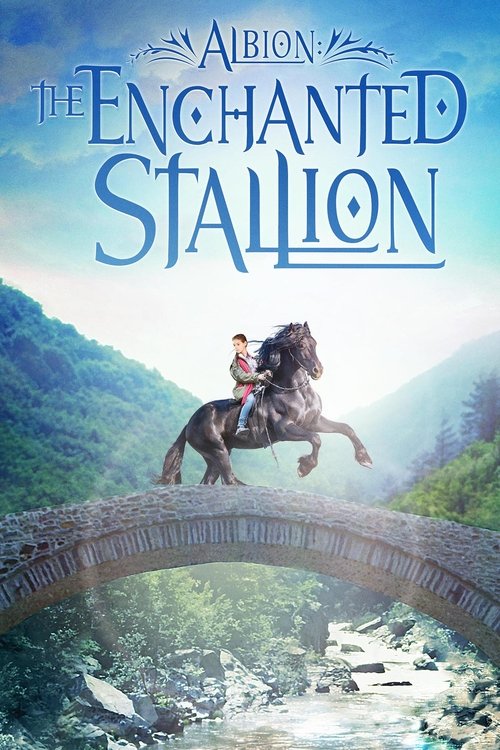
Albion: The Enchanted Stallion
2016
No user ratings available yet
Representation score: 1.9 out of 10
Representation Score
Fair
1992
PGDirector
Mike Newell
Runtime
97 minutes
Average Rating
No ratings yetNew Showbiz Analysis
Into the West stands out by deconstructing the myth of Manifest Destiny. It replaces the traditional triumphant narrative with a perspective that prioritizes the experiences of Indigenous peoples. The film's greatest strength lies in its racial and cultural subversion. By centering the Cheyenne experience, it avoids the typical white-centric framework of the genre, portraying the influx of settlers as a systemic threat rather than a civilizing mission. However, the film remains limited by its adherence to traditional social structures. It lacks contemporary LGBTQ+ perspectives and remains centered on traditional masculine leadership and heterosexual family units.
Category Breakdown
The film centers on traditional families and assumes everyone is straight or cisgender. There are no characters with non-traditional gender identities or same-sex relationships.
Indigenous women demonstrate strength and play significant roles, but the narrative still emphasizes traditional masculine leadership. While it avoids clichéd feminine roles, it focuses on traditional male leadership.
The film challenges the traditional Western genre by focusing on a Cheyenne protagonist. It portrays the arrival of settlers as an invasive force rather than a civilizing mission.
The story criticizes Western expansion by depicting the railroad and military as destructive forces. It highlights the conflict between indigenous spiritual practices and Western institutions.
There are no main characters with visible or invisible disabilities. Disabilities are not used as central themes or plot devices.
Present on Screen
Limited or Absent
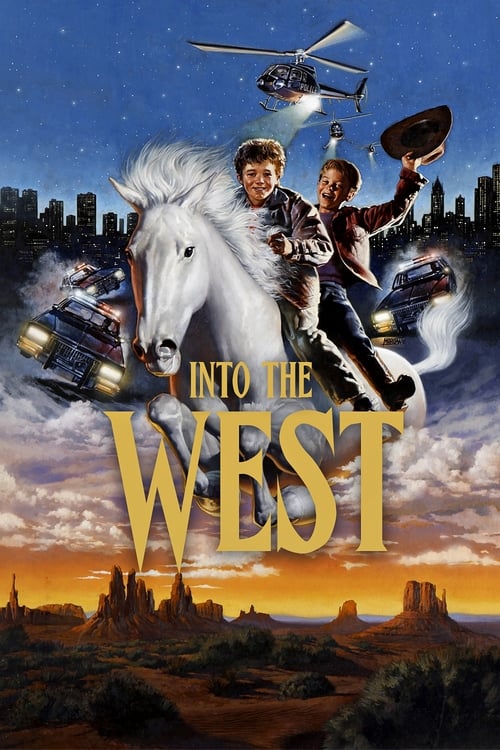
Official Synopsis
Accused of a crime they didn't commit, two city kids and a magical horse are about to become the coolest outlaws ever to ride Into The West.
2016
1984

1997
1994
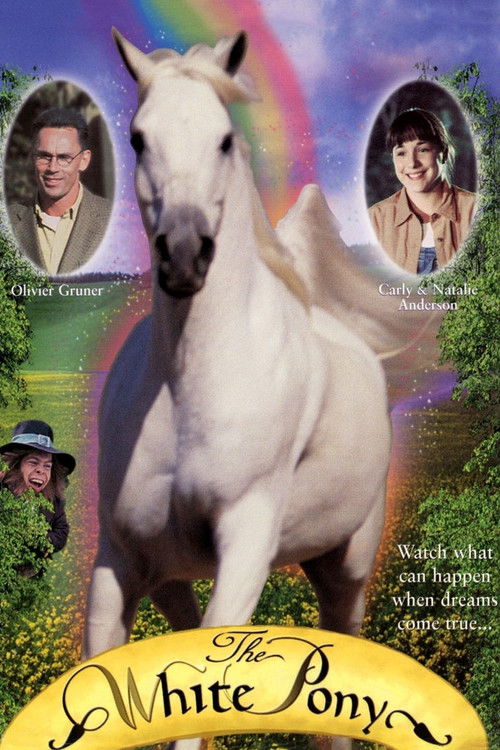
1999

2018
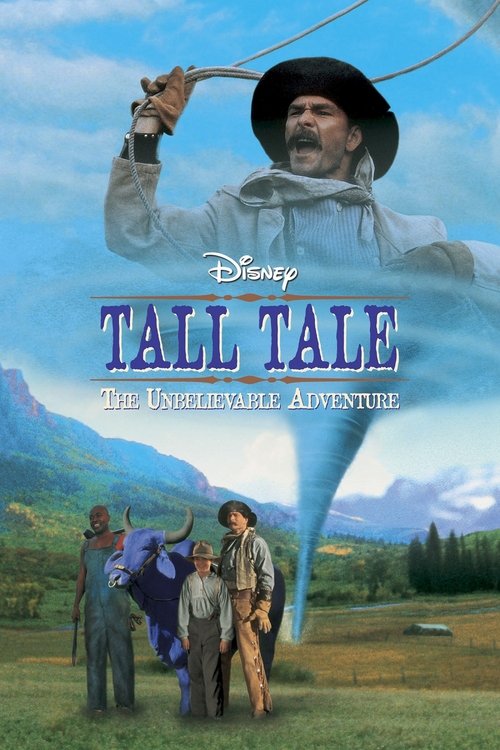
1995
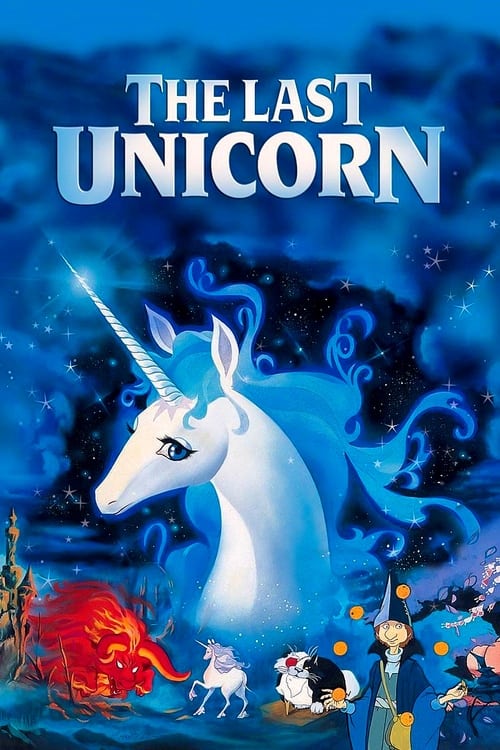
1982
No reviews yet. Be the first to share your thoughts on this movie!
Use the rating form above to leave a star rating and optional review.