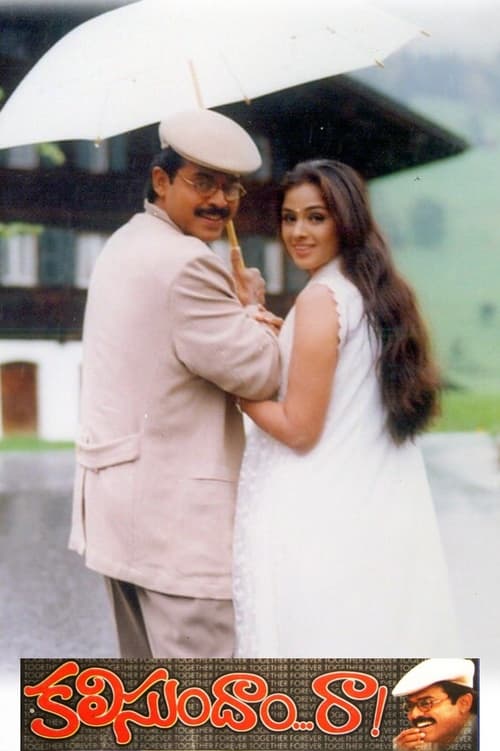
Kalisundam Raa
2000
No user ratings available yet
Representation score: 1.2 out of 10
Representation Score
Limited
1979
UDirector
Parvataneni Sambasiva Rao
Runtime
144 minutes
Average Rating
No ratings yetNew Showbiz Analysis
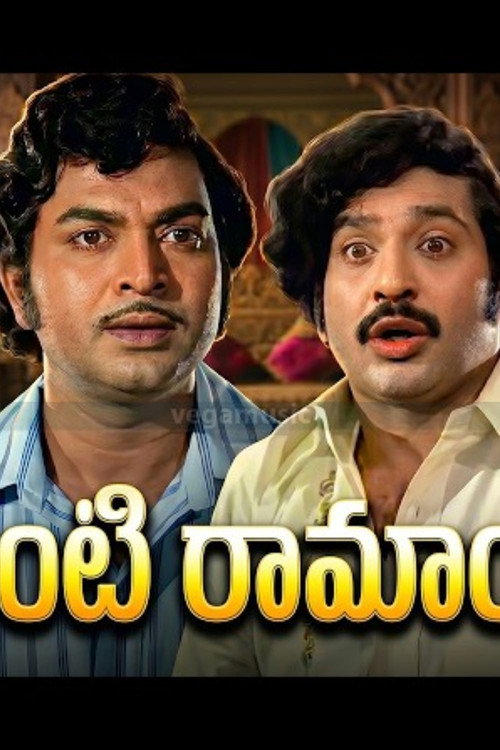
Intinti Ramayanam functions as a traditionalist domestic drama that prioritizes social cohesion and conventional moral frameworks. The story uses interpersonal friction to teach lessons about ego and pride within a stable social unit. The film reinforces established familial hierarchies rather than subverting them. It adheres to the standard storytelling archetypes of 1970s regional Indian cinema, focusing on the preservation of the household. Because the narrative is rooted in maintaining traditional values, it lacks representation of underrepresented identities or systemic critiques. It serves as a cautionary tale for maintaining harmony within a conventional social structure.
Category Breakdown
The film focuses on traditional family structures and does not include any characters with non-traditional gender identities or narratives that question standard social norms.
The drama centers on domestic conflicts where women are often portrayed in traditional roles such as matriarchs or mediators. There is no indication of characters challenging patriarchal hierarchies.
As a Telugu-language production, the film offers representation of South Indian heritage. However, it operates within a homogeneous cultural framework typical of regional cinema from this era.
The narrative uses a didactic approach to morality, emphasizing social harmony and respect for elders. It reinforces traditional institutions rather than critiquing them.
The available information provides no mention of characters with visible or invisible disabilities.
Present on Screen
Limited or Absent
Official Synopsis
The story centers on how pride, ego, and petty disputes among relatives (neighbours and family) disrupt the peace of a household.
2000
1988

2013
1985
2003
2003
2007
2023
No reviews yet. Be the first to share your thoughts on this movie!
Use the rating form above to leave a star rating and optional review.