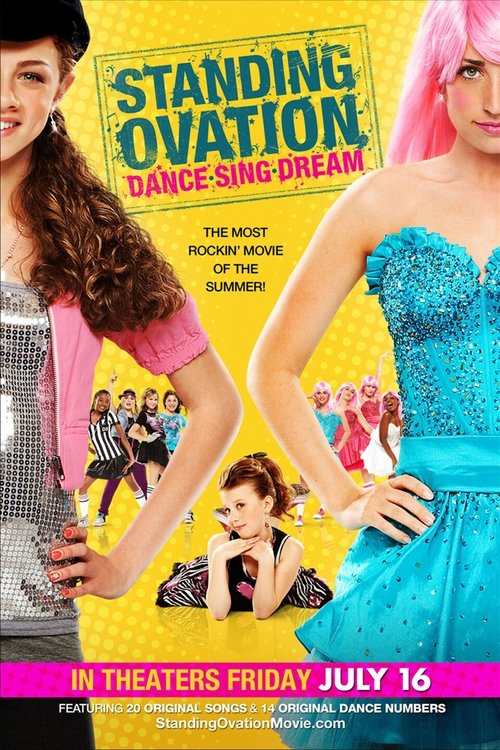
Standing Ovation
2010
No user ratings available yet
Diversity score: 3.8 out of 10
1997
PGDirector
Alan Julian
Runtime
25 minutes
Average Rating
No ratings yetSynopsis
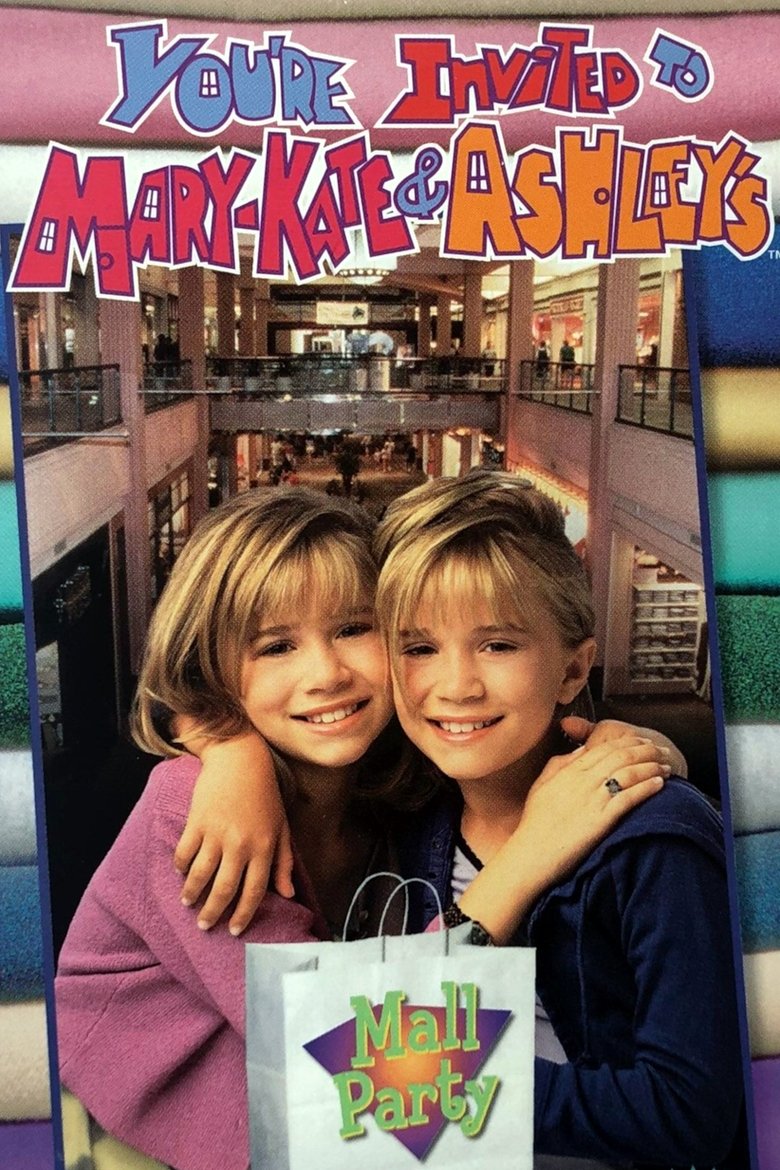
Mary-Kate & Ashley are singing, dancing and shopping their way around America's largest mall, the Mall of America. Grab your shopping bag and get ready to take off because the girls want you to be part of all the fun—from the fashion to the music to the roller coasters to the bumper cars.
Overall Score
Limited
Category Breakdown
LGBTQ+ Representation
The film adheres to traditional social standards typical of late-90s family media. There is no evidence of non-heteronormative identities or narratives that critique heteronormativity.
Gender Representation
While the film centers on female protagonists, their agency is tied to consumerism and celebrity performance. The narrative reinforces traditional feminine archetypes rather than challenging gender hierarchies.
Racial & Ethnic Diversity
The production likely reflects the homogeneous casting trends of the 1990s. It focuses on specific stars and a commercial landmark without evidence of a diverse cast.
Religious & Cultural Diversity
The film celebrates consumer culture and the mall as a site of social activity. It promotes a standardized, commercialized version of American youth culture without deconstructing traditional values.
Disability Representation
There is no mention of characters with visible or invisible disabilities. The lifestyle-focused format is unlikely to engage with disability as a central narrative arc.
Strengths
Areas for Improvement
AI Analysis
This production functions primarily as a commercialized variety feature designed to promote the brand identity of Mary-Kate and Ashley Olsen. The narrative is built around consumerist experiences like shopping and fashion within the Mall of America. Because the film serves as a promotional vehicle for established child stars, it lacks the structural complexity needed to explore nuanced identity politics. It reinforces existing social and consumerist hierarchies rather than disrupting them. Ultimately, the work reflects the mainstream, homogeneous media landscape of the late 1990s, prioritizing celebrity-driven entertainment over intersectional storytelling.
2010
1994

2008
1997
No reviews yet. Be the first to share your thoughts on this movie!
Use the rating form above to leave a star rating and optional review.