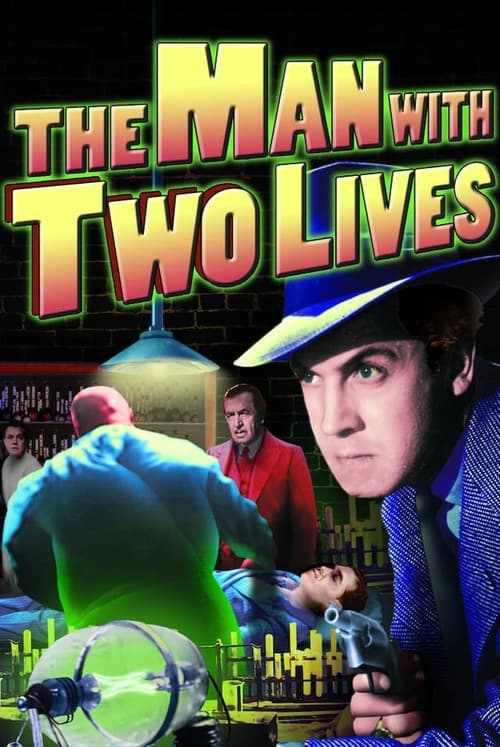
Man With Two Lives
1942
No user ratings available yet
Representation score: 1.6 out of 10
Representation Score
Minimal
1945
ApprovedDirector
John English
Runtime
69 minutes
Average Rating
No ratings yetNew Showbiz Analysis
The film is a conventional mid-century genre piece, relying on well-known horror and crime clichés. The narrative centers on a supernatural conflict that fits the storytelling conventions of its era. There is a lack of multi-layered complexity. The plot focuses on a male doctor's loss of autonomy, serving more as a thriller device than a meaningful exploration of identity or social hierarchy. Overall, the film stays within the traditional framework of the 1940s studio era, without challenging established social structures.
Category Breakdown
The film does not include any characters with non-straight sexual orientations or non-cisgender identities. It follows the typical romantic and mystery themes common in films from the 1940s.
The main storyline revolves around a male doctor's struggle with possession. Although romance is a genre element, the narrative emphasizes male control and traditional power dynamics.
The casting appears to align with the homogeneous standards of the time, with no indication of diverse characters or varied backgrounds.
The story explores classical morality through a battle between good and evil. It does not prioritize secular or anti-Western cultural perspectives.
Possession is used as a supernatural plot device rather than a focus on disability. The loss of bodily control is portrayed through horror elements rather than neurodivergence.
Present on Screen
Limited or Absent
Official Synopsis
The spirit of an executed murderer enters the body of a physician, and forces him to do its bidding--namely, murder.
1942
1927
1926
1935

1933

1932
1958
1942
No reviews yet. Be the first to share your thoughts on this movie!
Use the rating form above to leave a star rating and optional review.