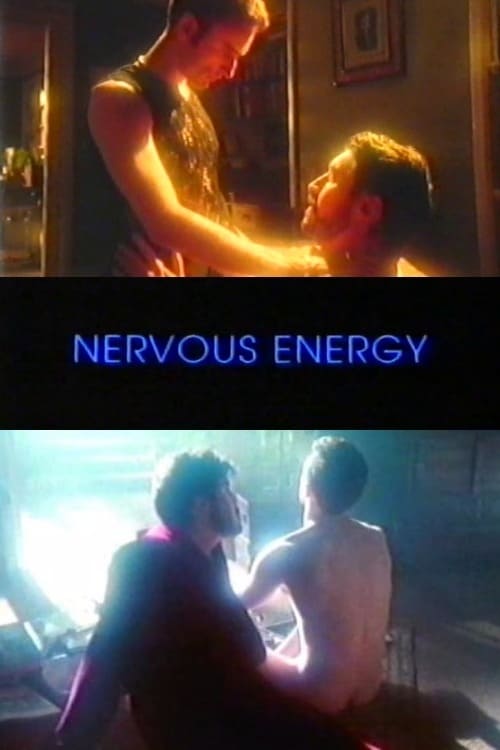
Nervous Energy
1995
No user ratings available yet
Representation score: 6.5 out of 10

Representation Score
Fair
1995
RDirector
Michael Winterbottom
Runtime
81 minutes
Average Rating
No ratings yetNew Showbiz Analysis
Go Now is a product of 1990s social realism, prioritizing the internal emotional volatility of its protagonists over demographic breadth. The film functions within a very narrow social and racial scope, focusing on a white, straight-centered romantic dyad. While the film lacks multi-layered complexity, it offers a nuanced look at identity through a postmodern lens. It rejects rigid moral hierarchies, instead presenting character ethics as fluid and situational. The central depiction of Multiple Sclerosis provides emotional depth but remains tethered to traditional dramatic clichés. The illness serves as a vehicle for character growth rather than a tool for social disruption.
Category Breakdown
The film adheres to a framework that assumes everyone is straight and cisgender. It centers on a romantic couple without exploring any queer subtext or non-cisgender identities.
The story examines the shifting power dynamics and emotional instability between partners. It avoids traditional gender stereotypes by showing both characters as equally prone to impulsive behavior.
The cast and setting reflect a predominantly white, Anglo-Saxon demographic. The narrative operates within a homogeneous social sphere without intentionally blending different races.
The film embraces postmodern moral relativism rather than objective truths. It focuses on situational ethics and personal relationships rather than institutional or anti-capitalist critiques.
The plot centers on a protagonist managing Multiple Sclerosis. While it explores the psychological impact of chronic illness, it uses disability primarily as a catalyst for emotional tension.
Present on Screen
Limited or Absent
Official Synopsis
Nick, is a young Scottish soccer player living in the big city. He meets Karen, and the two fall in love and move in together. Soon after, Nick exhibits signs of serious illness. As his body slowly succumbs to multiple sclerosis, he experiences a wide sweep of jagged emotions, and in the process gives himself and those who love him the strength to carry on.
1995

2020

2007

2011

2024

1993
1996
2001
No reviews yet. Be the first to share your thoughts on this movie!
Use the rating form above to leave a star rating and optional review.