Welcome to Kutsher's: The Last Catskills Resort
2012
No user ratings available yet
Representation score: 4.4 out of 10
Representation Score
Good
2015
Not RatedDirector
Kurt P. Vincent
Runtime
76 minutes
Average Rating
No ratings yetNew Showbiz Analysis
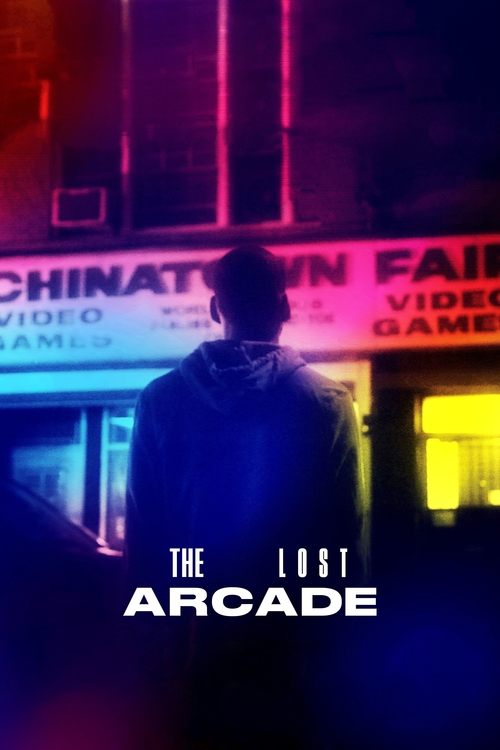
The documentary serves as a micro-historical study of an urban ecosystem, particularly the Chinatown Fair arcade. Its main strength lies in portraying the racial and ethnic ability to act of a diverse community, showing how they maintain their identity despite systemic pressures like gentrification and technological changes. The film effectively frames the arcade as a sanctuary for an unlikely community. By highlighting the tension between grassroots social spaces and dominant economic shifts, it provides a sociological perspective on urban survival. However, the film does not provide specific evidence regarding LGBTQ+ identities or disability representation. While the setting suggests a diverse social fabric, the narrative primarily focuses on the intersection of ethnicity, geography, and economic change.
Category Breakdown
The film portrays a diverse community within a historically significant urban area. Though specific LGBTQ identities are not mentioned, the setting suggests a place where various social structures outside the norm may thrive.
The documentary centers on a communal gathering spot rather than traditional hierarchies. It has the potential to explore nuanced gender roles within the arcade subculture, but there is no clear evidence of challenging gender hierarchies.
The film highlights the ability to act of non-Anglo-Saxon populations by focusing on Mott Street. It documents a diverse community facing challenges such as turf wars and gentrification, emphasizing the lived experiences of underrepresented ethnic groups.
The narrative presents gentrification as a threat to a localized social hub. It critiques how modern economic structures and standardized consumerism displace established, diverse, and non-capitalist social ecosystems.
There is no specific mention of characters or subjects with visible or invisible disabilities in the provided documentation.
Present on Screen
Limited or Absent
Official Synopsis
Chinatown Fair opened as a penny arcade on Mott Street in 1944. Over the decades, the dimly lit gathering place, known for its tic-tac-toe playing chicken, became an institution, surviving turf wars between rival gangs, changing tastes and the explosive growth of home gaming systems like Xbox and Playstation that shuttered most other arcades in the city. But as the neighborhood gentrified, this haven for a diverse, unlikely community faced its strongest challenge, inspiring its biggest devotees to next-level greatness.
2012

2019
2010
2014
2023
2007
2019
2014
No reviews yet. Be the first to share your thoughts on this movie!
Use the rating form above to leave a star rating and optional review.