Whitey: United States of America v. James J. Bulger
2014
No user ratings available yet
Representation score: 2.2 out of 10
Representation Score
Fair
2007
RDirector
Marc Levin
Runtime
92 minutes
Average Rating
No ratings yetNew Showbiz Analysis
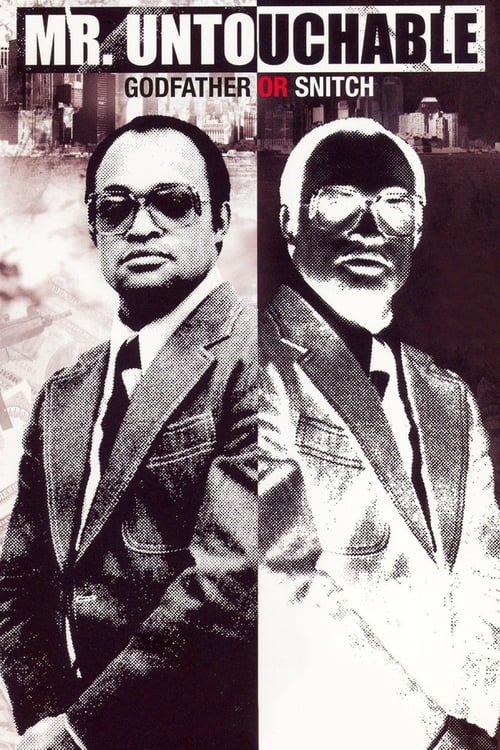
Mr. Untouchable delves into systemic decay, prioritizing ideological challenges over diverse representation. While it lacks LGBTQ+ and female characters, it effectively critiques the perceived morality of state institutions. The film uses the life of Nicky Barnes to explore the intersection of crime and institutional corruption. It shifts away from idealized heroic narratives to focus on the complexities of urban socioeconomic realities. Ultimately, the film maintains traditional demographics but offers a postmodern critique of law enforcement and the stability of Western legal frameworks.
Category Breakdown
The film focuses almost exclusively on hyper-masculine criminal and law enforcement environments. There are no LGBTQ+ characters or representations of non-straight relationships.
The story centers around male protagonists and operates within a patriarchal structure. Female characters play secondary roles and have limited influence over the plot.
The film highlights a Black drug lord in Harlem, challenging a predominantly white narrative. However, it adheres to typical urban crime genre clichés.
The film stands out by questioning the integrity of Western institutions. It portrays the NYPD as corruptible, breaking down the traditional good-versus-evil dichotomy.
Addiction is portrayed as a factor driving criminal behavior. The film does not explore substance abuse as a chronic health condition or disability in depth.
Present on Screen
Limited or Absent
Official Synopsis
The true-life story of a Harlem's notorious Nicky Barnes, a junkie turned multimillionaire drug-lord. Follow his life story from his rough childhood to the last days of his life.
2014

2006

2013
2015

2007

2021

2010

2008
No reviews yet. Be the first to share your thoughts on this movie!
Use the rating form above to leave a star rating and optional review.