Find another title
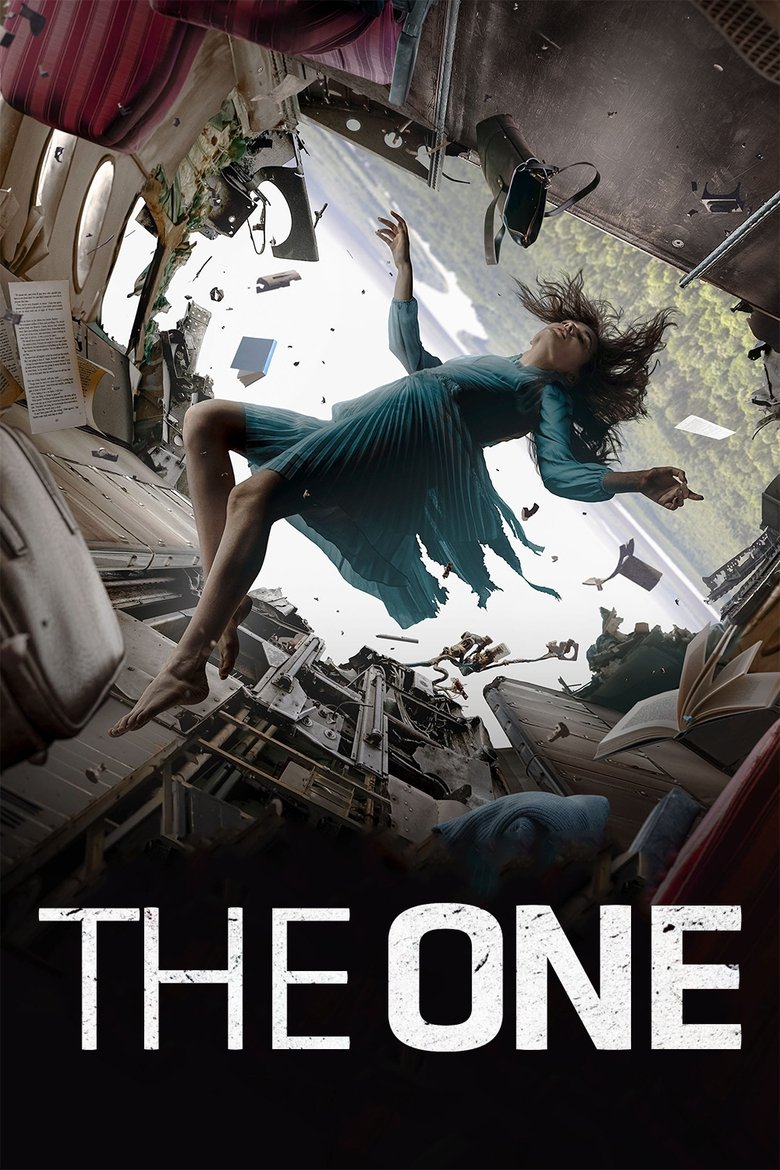
The One
2022
Director
Dmitriy Suvorov
Runtime
108 minutes
Average Rating
No ratings yetSynopsis
On August 24, 1981, the newlyweds Larisa and Vladimir Savitsky stepped on board the plane following the flight Komsomolsk-on-Amur - Blagoveshchensk. 30 minutes before landing, the civilian aircraft AN-24 collided with another aircraft and broke into pieces at an altitude of more than 5 kilometers above the ground. No one was supposed to survive ... but a miracle happened. Larisa Savitskaya woke up in the middle of the wreckage of the plane in the impenetrable taiga. Now she herself had to create a real miracle, which only a strong-minded person is capable of.
Where to Watch
Diversity & Representation
Overall Score
Limited
Category Breakdown
LGBTQ+ Representation
The story focuses on a traditional heterosexual marriage between Larisa and Vladimir. There are no visible queer narratives or non-cisnormative identities within the plot.
Gender Representation
Larisa breaks survival tropes by serving as the primary driver of the plot. Her struggle in the taiga emphasizes physical and intellectual autonomy over passive archetypes.
Racial & Ethnic Diversity
Set in 1981 Soviet Union, the film uses a localized cast reflecting the era's demographics. It does not attempt to diversify the cast or challenge historical norms.
Religious & Cultural Diversity
The film is rooted in a specific Soviet historical reality. It focuses on human endurance rather than critiquing systemic power or promoting specific religious or secular ideologies.
Disability Representation
The protagonist faces intense physical and psychological trauma from the crash. However, it is unclear if the film treats disability through an agentic lens or merely as a plot device.
Strengths
- The film provides strong narrative agency to a female lead in a high-stakes environment.
- Larisa's character emphasizes intellectual and physical autonomy over traditional feminine archetypes.
Areas for Improvement
- The narrative lacks representation for LGBTQ+ identities and non-cisnormative characters.
- The cast and setting adhere strictly to historical norms without seeking intersectional diversity.
- There is no clear exploration of disability through an agentic or meaningful lens.
AI Analysis
The film operates as a localized survival drama centered on individual resilience. While it avoids many Western narrative tropes, it remains tethered to the demographic realities of its 1981 Soviet setting. The most significant strength is the subversion of gender roles, placing agency in a female protagonist's hands during a high-stakes survival scenario. This moves the character beyond traditional passive roles. However, the narrative lacks intersectional complexity. It adheres to conventional historical frameworks and lacks representation for LGBTQ+ identities or intentional racial diversity, resulting in a narrow social scope.
Rate this Movie
Reviews
No reviews yet. Be the first to share your thoughts on this movie!
Use the rating form above to leave a star rating and optional review.