Kampout
2016
No user ratings available yet
Representation score: 0.8 out of 10
Representation Score
Minimal
2011
NRDirector
Steve Sessions
Runtime
90 minutes
Average Rating
No ratings yetNew Showbiz Analysis
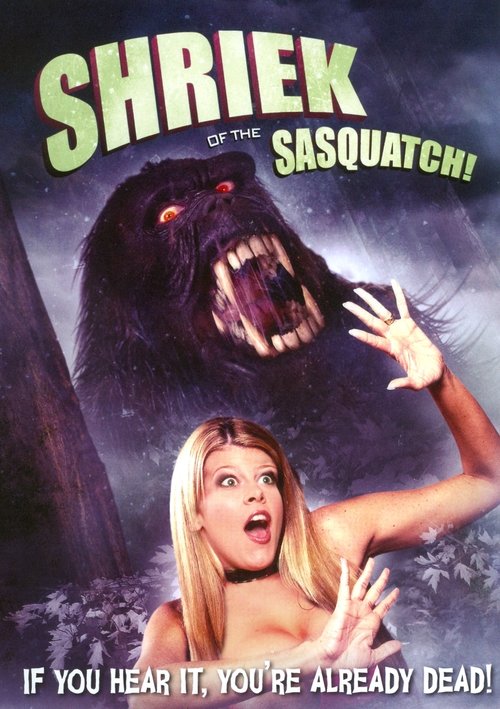
Shriek of the Sasquatch! operates as a stylistic homage to 1970s drive-in cinema. Its primary goal is to replicate the aesthetic and clichés of retro horror rather than engaging with social commentary or progressive shifts. The production prioritizes genre nostalgia and survivalist tension. Consequently, the narrative structure lacks the intentionality needed to challenge existing social hierarchies or introduce complex, multi-layered perspectives. Ultimately, the film adheres to conventional representation models, favoring established slasher clichés over diverse or subversive storytelling.
Category Breakdown
The film centers on a traditional survival horror dynamic between two protagonists. There is no depiction of non-traditional gender identities or critiques of straight relationships.
Julie is portrayed as part of the 'Strip Club Slasher' archetype, which can risk framing female characters through sexualized vulnerability. The film leans on traditional genre archetypes without challenging gender hierarchies.
The cast lacks visible diversity, suggesting a homogeneous, Anglo-Saxon majority. The setting follows conventional mid-century American casting patterns without considering multiple aspects of identity.
The narrative functions as a period piece centered on survival against a mythological force. It prioritizes genre escapism over deconstructing social norms or Western institutions.
The film contains no mention of characters with visible or invisible disabilities, neurodivergence, or chronic health conditions.
Present on Screen
Limited or Absent
Official Synopsis
It's 1979 and Julie (Scarlet Salem, "Strip Club Slasher") and Nick (Donny Versiga) are on a road trip which puts them unwittingly on a collision course with Bigfoot. Will either of them survive to learn the secret of the Sasquatch? Pseudo-retro drive-in fun, complete with film damage. Filmed in 2010.
2016
2020
2006
2012

2013
2014
2005
1980
No reviews yet. Be the first to share your thoughts on this movie!
Use the rating form above to leave a star rating and optional review.