
Almodóvar, l'insolent de la Mancha
2023
No user ratings available yet
Representation score: 6.9 out of 10
Representation Score
Excellent
2012
Director
Antoine de Gaudemar
Runtime
53 minutes
Average Rating
No ratings yetNew Showbiz Analysis
This film serves as a profound subversion of traditional social hierarchies. By centering on a matriarchal network, it replaces conventional patriarchal structures with complex, chosen kinship models. The narrative architecture prioritizes identity and ability to act, particularly regarding gender and sexuality. While the film excels in exploring LGBTQ identities and female empowerment, it remains more focused on class and gender than on a wide spectrum of racial or ethnic diversity. The representation of disability is primarily psychological, focusing on internal struggles rather than physical impairments. Ultimately, the work succeeds by integrating diverse identities into its emotional core. It moves beyond mere inclusion to create a world where non-traditional lifestyles and identities are the primary drivers of the story.
Category Breakdown
The film centers on LGBTQ identities, particularly transgender experiences and queer desires. These elements are woven into the emotional core of the story rather than serving as minor plot points.
The narrative highlights a matriarchal network of support, replacing traditional patriarchal structures. The story is driven by women's intellect and ability to act, often depicting masculinity through a lens of fragility or secondary importance.
The film emphasizes the social textures of Barcelona, focusing on gender and class rather than a broad ethnic spectrum. It avoids homogeneous casting by showcasing diverse social backgrounds.
The story challenges rigid religious and nuclear family structures by prioritizing subjective truth and chosen kinship. It reflects the cultural liberation associated with the Movida Madrileña.
The narrative explores psychological vulnerability and the complexities of mental health. It avoids 'inspiration porn' by focusing on the authentic, messy reality of human fragility and trauma.
Present on Screen
Limited or Absent
Official Synopsis
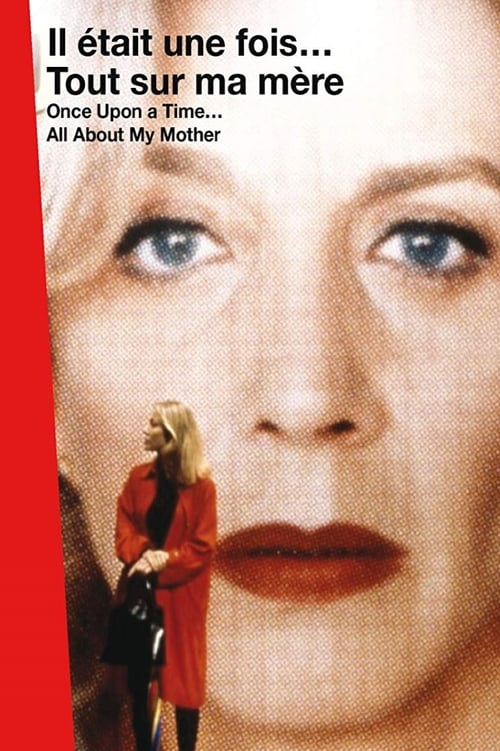
Shot in 1999, "All About My Mother" is Pedro Almodóvar's thirteenth feature film. The director was a key figure in the turbulent Movida (the movement for cultural renewal and liberation in post-Franco Spain), explores Barcelona society at the turn of the millennium through the lives of five women.
2023
1998

1983

2021
No reviews yet. Be the first to share your thoughts on this movie!
Use the rating form above to leave a star rating and optional review.