The Unhealer
2021
No user ratings available yet
Representation score: 4.6 out of 10
Representation Score
Limited
2017
Not RatedDirector
Stuart McKenzie, Miranda Harcourt
Runtime
95 minutes
Average Rating
No ratings yetNew Showbiz Analysis
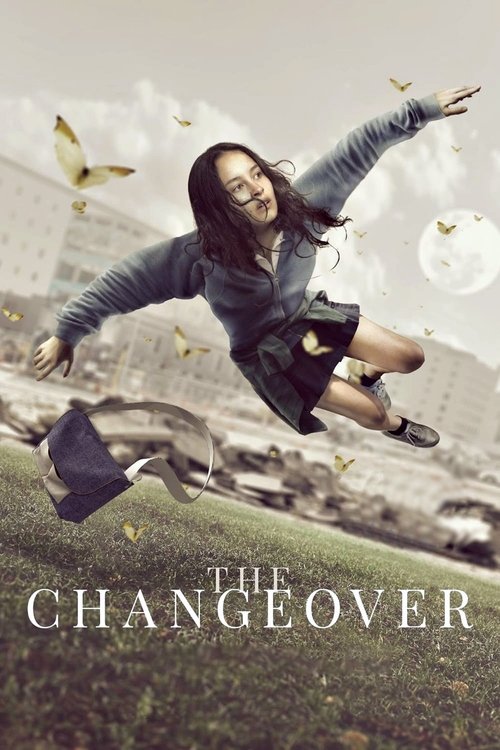
The film successfully challenges traditional hero clichés by focusing on a teenage girl's ability to act and intelligence. Laura's supernatural abilities become the primary mechanism for her family's survival, shifting away from conventional gender hierarchies. However, the film lacks depth in representing multiple aspects of identity. The focus remains tightly centered within a traditional family structure, limiting broader social representation. The absence of LGBTQ+ and disability representation narrows the story's scope. While the setting provides a localized New Zealand identity, the cast lacks racial diversity. The film operates more as a specific coming-of-age tale than a vehicle for broader social critique.
Category Breakdown
The film does not include any LGBTQ+ characters or stories that challenge the assumption that everyone is straight or cisgender. The story centers around the relationship between a sister and her brother.
Laura is a strong female character who drives the plot through her own actions and decisions. She uses her spiritual strength to solve problems that adults can't handle.
The cast is mainly of Western descent, reflecting a specific working-class Christchurch setting. There is no evidence of diverse casting or the use of non-human species to represent racial differences.
The narrative explores grief and economic struggles within a partially destroyed city. It emphasizes personal supernatural beliefs rather than relying on established religious institutions.
There is no evidence of characters with visible or invisible disabilities. Neurodivergence and chronic illnesses are not part of the story.
Present on Screen
Limited or Absent
Official Synopsis
Laura Chant, 16, lives with her mother and four-year-old brother Jacko in a poor new suburb on the edge of a partially demolished Christchurch, New Zealand. Laura is drawn into a supernatural battle with an ancient spirit who attacks Jacko and slowly drains the life out of him as the spirit becomes ever younger. Laura discovers her true identity and the supernatural ability within her, and must harness it to save her brother's life.
2021
2010
2016
2007
2023
2000
2017
2018
No reviews yet. Be the first to share your thoughts on this movie!
Use the rating form above to leave a star rating and optional review.