
Along Came a Spider
2001
No user ratings available yet
Representation score: 3.6 out of 10

Representation Score
Fair
1996
RDirector
Renny Harlin
Runtime
121 minutes
Average Rating
No ratings yetNew Showbiz Analysis
The film's primary strength lies in its subversion of traditional gender roles. By centering a highly competent female lead who outclasses her male counterparts, it dismantles the domesticated woman archetype and presents a multifaceted protagonist. However, the film lacks significant diversity. The cast remains largely homogeneous, and there is no representation or exploration of LGBTQ+ identities or diverse racial perspectives, reflecting the genre conventions of the time. Ultimately, the work finds its progressive edge through individual ability to act against systemic corruption, even though it relies on traditional demographic structures for its supporting cast.
Category Breakdown
The film does not include any LGBTQ+ characters or non-straight relationships. The interpersonal dynamics focus on heterosexual relationships, particularly the protagonist's relationship with her mother and her partnership with a male investigator.
Samantha Caine disrupts traditional gender roles by evolving from a suburban stereotype to a position of physical and intellectual dominance. The film challenges the 'damsel in distress' cliché by showing that motherhood can coexist with lethal ability to act.
The cast is predominantly white and set in American contexts. There is no meaningful representation of different racial backgrounds, sticking closely to the demographic norms of 1990s action thrillers.
The narrative criticizes Western institutions by depicting government intelligence agencies as predatory and conspiratorial. It explores themes of fragmented identity and the rejection of prescribed social roles.
Amnesia serves as a central plot device to drive mystery and tension. However, the film uses this condition to advance the thriller elements rather than exploring the lived experiences of cognitive disabilities.
Present on Screen
Limited or Absent
Official Synopsis
Samantha Caine is a small-town schoolteacher and mom with no memory of her life before washing up on a beach eight years ago. After a car accident and a violent home invasion trigger flashes of her past, she discovers she used to be a deadly CIA assassin. Teaming up with a wisecracking private investigator, Samantha must return to her old ways to take down the people who tried to erase her.
2001

1993

2012

1991

2018

2020
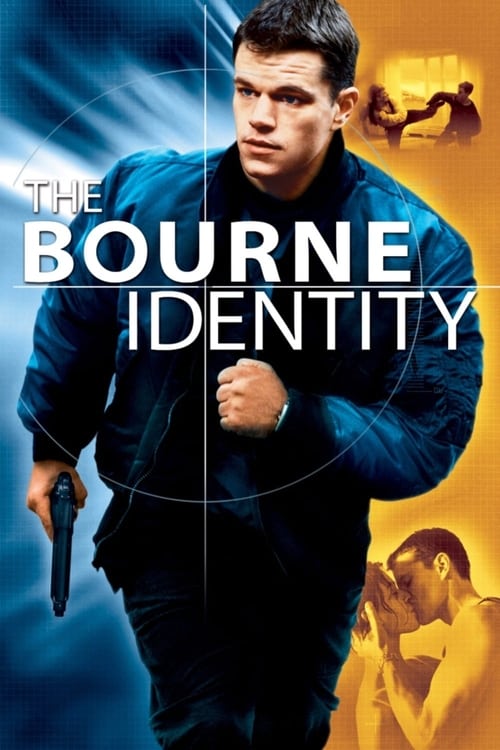
2002

2002
No reviews yet. Be the first to share your thoughts on this movie!
Use the rating form above to leave a star rating and optional review.