Devil Riders
1943
No user ratings available yet
Representation score: 0.6 out of 10
Representation Score
Minimal
1936
ApprovedDirector
Sam Newfield
Runtime
62 minutes
Average Rating
No ratings yetNew Showbiz Analysis
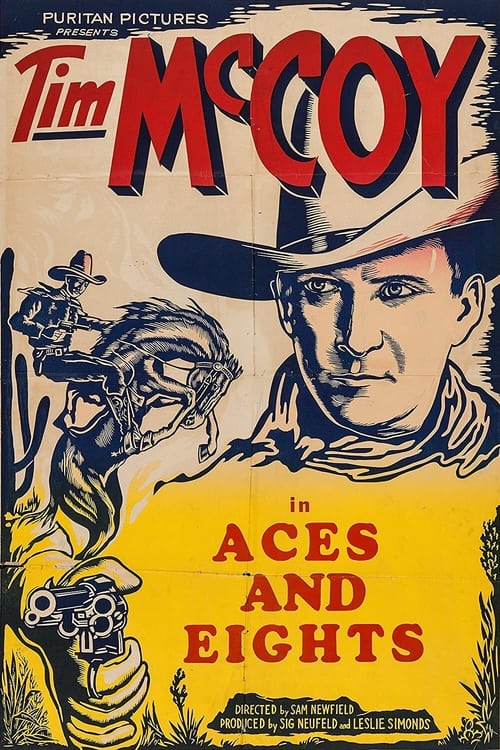
Aces and Eights is a product of the 1930s Poverty Row studio system, focusing on conventional Western stories rather than complex social issues. While it includes a Mexican family to provide some ethnic diversity, the film remains tied to the rigid moral binaries of its era. The plot centers around a single male hero, which limits gender diversity and reinforces traditional hierarchies. Including a non-white family adds some ethnic representation, but the narrative framework might frame them as needing external help rather than being independent actors. Overall, the film is a typical genre piece that upholds established Western values and social norms without challenging them.
Category Breakdown
The film follows the typical norms of 1930s American cinema, with no indication of LGBTQ+ identities or narratives that question the assumption that everyone is straight.
The story is driven by a male character through his actions and skills. Women in the film likely play passive or domestic roles, typical of the era's Western stories.
A Mexican family is a key part of the plot, offering some ethnic diversity for the time. However, the narrative might limit their independence by presenting them as needing protection.
The story upholds traditional Western values about justice and property rights. It reinforces the clear-cut moral standards and institutional norms common to the genre.
There is no information about the depiction of physically or neurodivergent characters. Disability is not a main theme in this 1930s action film.
Present on Screen
Limited or Absent
Official Synopsis
A card sharp steps in when a Mexican family's ranch is threatened by swindlers and cheats.
1943
1940
1953

1937
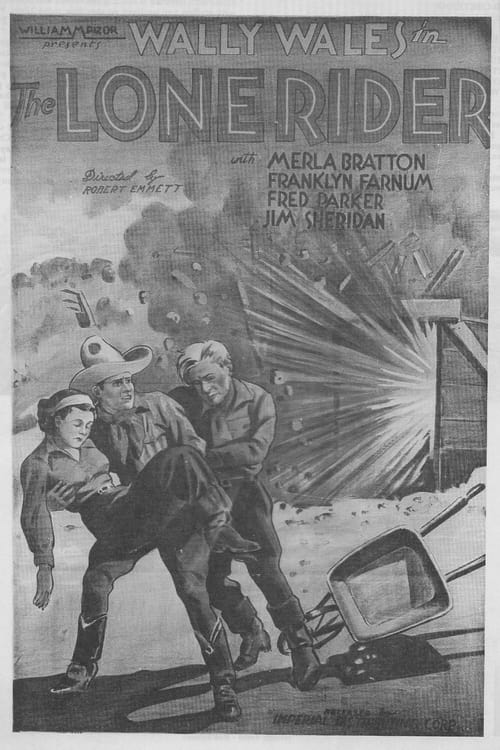
1934
1923
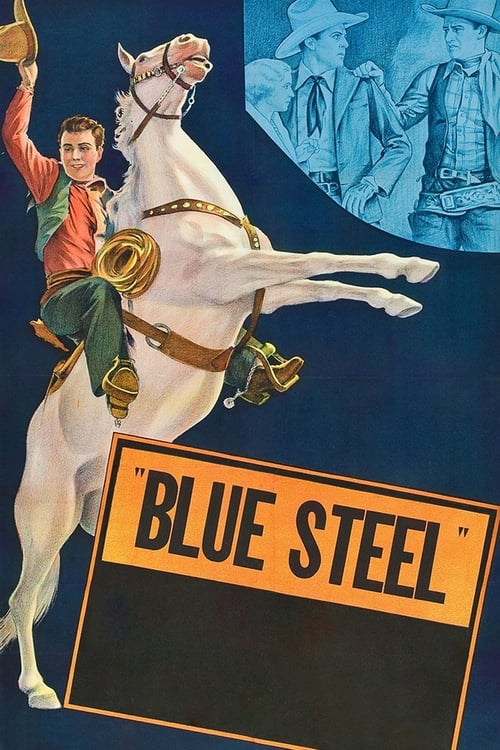
1934
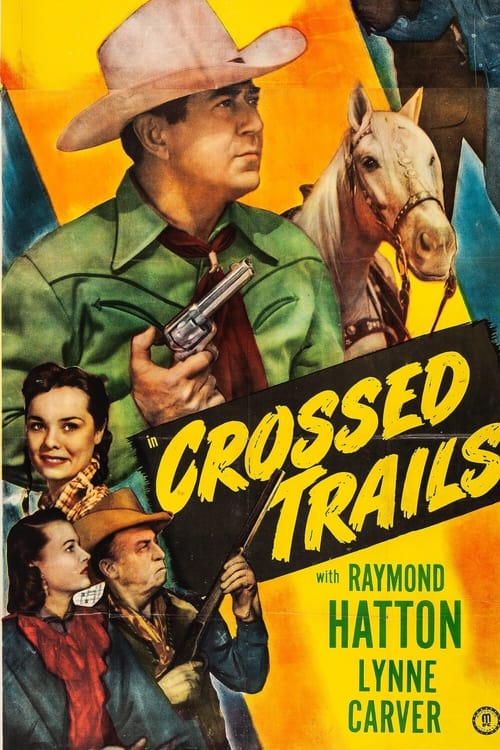
1948
No reviews yet. Be the first to share your thoughts on this movie!
Use the rating form above to leave a star rating and optional review.