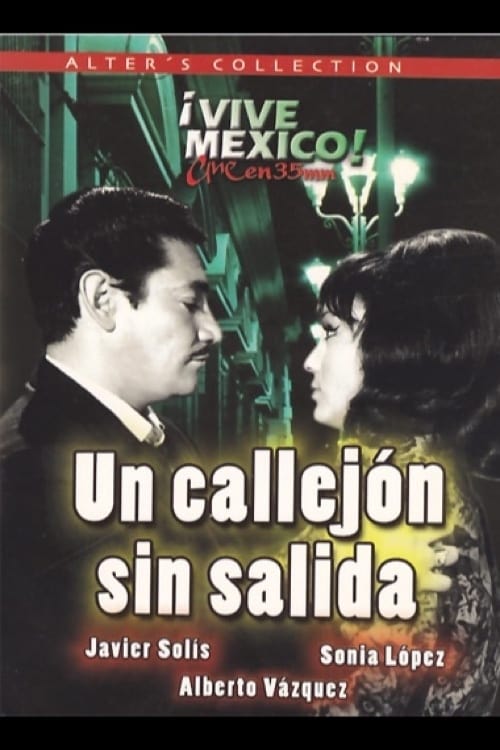
Un callejón sin salida
1965
No user ratings available yet
Representation score: 1.3 out of 10

Representation Score
Limited
1964
Director
Julián Soler
Runtime
100 minutes
Average Rating
No ratings yetNew Showbiz Analysis
The Age of Violence is a mid-century Mexican melodrama that prioritizes genre conventions over progressive representation. Its narrative structure relies heavily on established social archetypes and traditional hierarchies, especially concerning gender and romantic dynamics. While the film offers insights into the social tensions of 1960s delinquency, it lacks the complexity needed to challenge systemic norms. It primarily serves as a period piece reinforcing the moral binaries of its time through a musical-crime lens. Ultimately, the film's diversity is constrained by its adherence to the standard demographic and narrative patterns of the Mexican studio system during its production period.
Category Breakdown
The film focuses on heterosexual relationships and traditional gang dynamics. There are no queer narratives or characters with non-binary gender identities.
Women play supporting roles early on, serving male objectives. Later, Nancy gains more independence, but the film maintains traditional male-dominated structures.
The cast is mainly non-Anglo-Saxon, reflecting the film's Mexican origins. However, the focus is on class-based delinquency rather than a diverse or multi-layered approach.
The musical format emphasizes the melodrama of social deviance within a traditional moral framework. It follows the moralistic storytelling typical of 1960s crime genres.
The narrative does not include any portrayal of physical or neurodivergent disabilities.
Present on Screen
Limited or Absent
Official Synopsis
Daniel, the leader of a criminal youth gang, views new guy Victor first as a threat, then as possible addition to his gang. When Victor refuses, but sets his eyes on Daniel's Sister Nancy, Daniel orders her to get close to Victor so she can persuade him to join the gang. Daniel does not expect that instead the relationship with Victor makes Nancy longing for a life without crime. A juvenile-delinquent-crime-musical!
1965

1958
1961
1950
1957
1972

1959

1964
No reviews yet. Be the first to share your thoughts on this movie!
Use the rating form above to leave a star rating and optional review.