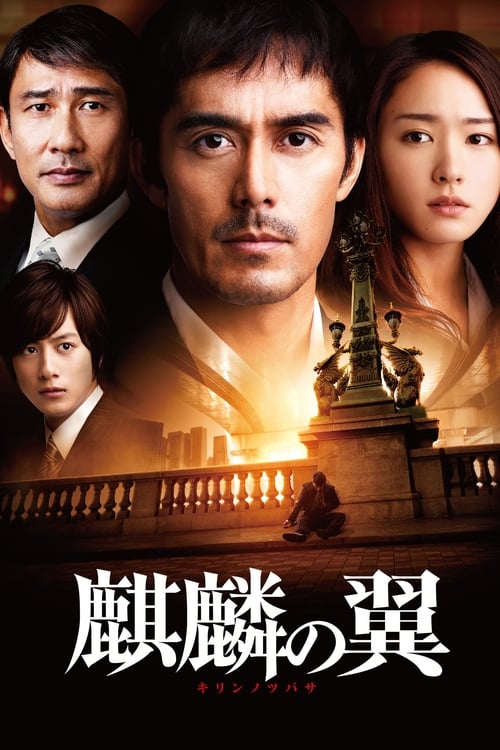
The Wings of the Kirin
2012
No user ratings available yet
Representation score: 3.9 out of 10
Representation Score
Limited
2018
Director
Katsuo Fukuzawa
Runtime
119 minutes
Average Rating
No ratings yetNew Showbiz Analysis
The film operates as a conventional mystery-thriller that prioritizes procedural realism and plot mechanics over social critique. It adheres to traditional genre clichés, focusing on a specific investigation within a homogeneous Japanese setting. Representation is limited, with the narrative centering on male detectives and using female characters primarily to drive the central mystery. The work lacks engagement with multi-layered identities or progressive social subversion. Ultimately, the film functions as a standard genre piece. It reinforces established investigative hierarchies and traditional social structures rather than exploring diverse or underrepresented perspectives.
Category Breakdown
The film does not include any explicit references to LGBTQ+ characters or non-cisgender identities. The storyline focuses on crime-solving and family relationships, without featuring any queer representation.
Women such as Michiko Oshitani and Hiromi Asai play important roles in the mystery, but the main investigative drive is led by male detectives. Female characters primarily act as catalysts for the male protagonists.
Set in Shiga and Tokyo, the film reflects a homogeneous Japanese society. It does not feature multicultural casting or diverse demographics to challenge traditional norms.
The story follows traditional crime procedural structures and legal hierarchies. It explores familial legacy and memory without deconstructing or critiquing established societal norms.
The film does not portray any visible or invisible disabilities. There are no characters identified as having physical impairments or neurodivergent conditions.
Present on Screen
Limited or Absent
Official Synopsis
Michiko Oshitani, who lived in Shiga Prefecture, is found dead at an apartment in Tokyo. She was strangled to death. Mutsuo Koshikawa is the owner of the apartment and he goes missing. Detectives including Yuhei Matsumiya who is a cousin of Detective Kyoichiro Kaga , have difficulties in solving the case. They can't find a connection between Michiko Oshitani and Mutsuo Koshikawa. They soon learn that Michiko Oshitani came to Tokyo to visit Hiromi Asai . They graduated from the same school, but there isn't a connection between Hiromi Asai and Mutsuo Koshikawa. Detective Yuhei Matsumiya finds something near Michiko Oshitani's body. That something has the names of 12 bridges surrounding the Nihonbashi area of Tokyo. Detective Kyoichiro Kaga learns of the clue and becomes agitated. There's a connection with his late mother
2012
2008
1983

2011
2004
2018
2016
2011
No reviews yet. Be the first to share your thoughts on this movie!
Use the rating form above to leave a star rating and optional review.