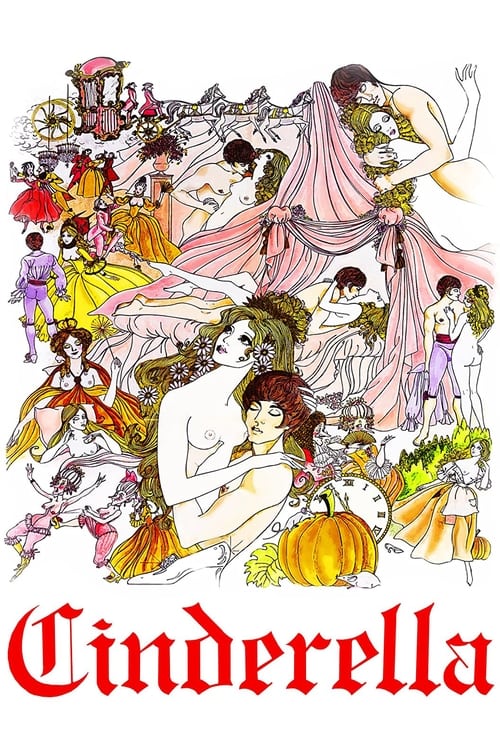
Cinderella
1977
No user ratings available yet
Representation score: 2.9 out of 10
Representation Score
Fair
1969
RDirector
Rolf Thiele
Runtime
91 minutes
Average Rating
No ratings yetNew Showbiz Analysis
Rolf Thiele’s film reimagines folklore by replacing traditional morality with erotic satire. Its main strength lies in reconfiguring gender roles, giving female characters autonomy and sexual ability to act. However, the film is constrained by the social norms of its time, maintaining a homogeneous racial profile and lacking diverse representation. Ultimately, it stands as a transitional work that prioritizes disrupting traditional gender roles over broader social diversity.
Category Breakdown
The film revisits classic female archetypes with erotic undertones but does not include explicit LGBTQ+ identities or relationships that challenge the assumption that everyone is straight or cisgender.
The movie shifts the focus from passive heroines to women who actively seek pleasure, challenging the stereotype of the submissive maiden.
The film follows traditional European casting practices of the late 1960s, maintaining a homogeneous racial profile without diverse casting choices.
It transforms traditional folk tales into secular, erotic comedies, focusing on individual desire rather than moral lessons.
The film does not depict any characters with physical or neurodivergent disabilities.
Present on Screen
Limited or Absent
Official Synopsis
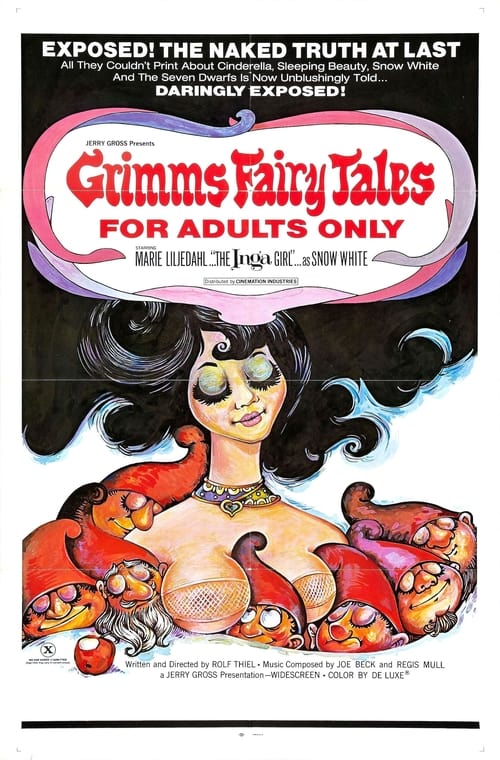
In an erotic version of famous fairy tales, Snow White (Marie Liljedahl), Sleeping Beauty (Gaby Fuchs) and Cinderella (Eva Reuber-Staier) have sexy fun.
1977
1970
1982
1979
1973
1975

1970
1972
No reviews yet. Be the first to share your thoughts on this movie!
Use the rating form above to leave a star rating and optional review.