Playground
2021
No user ratings available yet
Representation score: 6.0 out of 10
Representation Score
Good
2016
Director
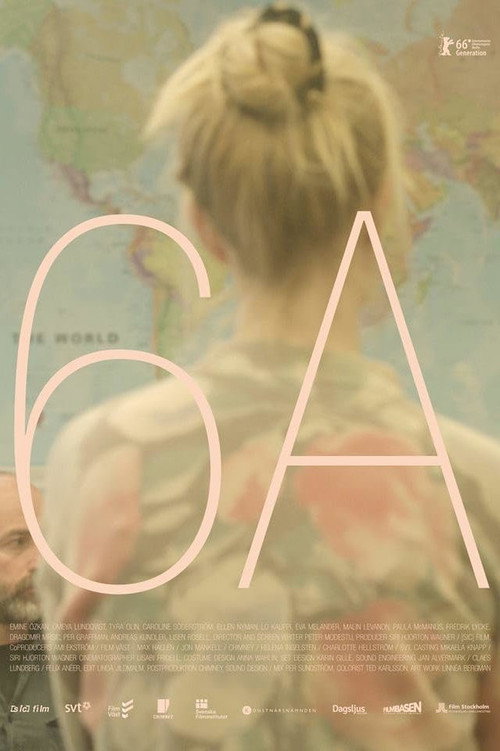
Peter Modestij
Average Rating
No ratings yetNew Showbiz Analysis
6A is a claustrophobic social critique that deconstructs institutional dysfunction. Rather than offering a didactic moral lesson, it uses a voyeuristic camera to highlight the fractured, neurotic perspectives of parents and educators. The film's strength lies in its refusal to present traditional authority figures as moral anchors. By prioritizing the eventual voices of the students over the aggressive demands of adults, it explores how systemic structures marginalize individual perspectives. While the film lacks overt demographic representation, it succeeds as a postmodern study of human nature. It favors a fragmented view of conflict that challenges the viewer's reliance on singular, authoritative truths.
Category Breakdown
The film does not engage with queer themes or non-straight relationships. It focuses on interpersonal bullying and conflicts between parents and children.
The story critiques gender power dynamics by sidelining female students for much of the film. Denise, Bella, and Mina gain more influence after being silenced by aggressive adults.
While specific racial identities are not detailed, the names Denise, Bella, and Mina suggest a potentially diverse student body. Bullying themes provide a framework for multi-layered tension.
The film challenges the stability of traditional Western institutions and the nuclear family. It replaces rigid moral frameworks with a complex, situational ethics driven by social friction.
There is no evidence of characters with visible or invisible disabilities within the narrative.
Present on Screen
Limited or Absent
Official Synopsis
As if immersed in the situation, the viewer witnesses a distressing encounter between angry parents, a helpless teacher and three schoolgirls. It soon becomes clear that certain things are going wrong in their class. There have been complaints of bullying. The parents are mainly concerned with defending their own children. They throw around neurotic accusations and make untenable demands. Using a camera which itself seems to participate in the discussion, scene after scene is dissected with refreshing malice and a sense for the dark side of human nature. Desperate attempts to resolve things unleash an avalanche of other problems. It takes a long time before Denise, Bella and Mina can have their say.
2021
2016

2011
2015
2025

2016
2023
2011
No reviews yet. Be the first to share your thoughts on this movie!
Use the rating form above to leave a star rating and optional review.