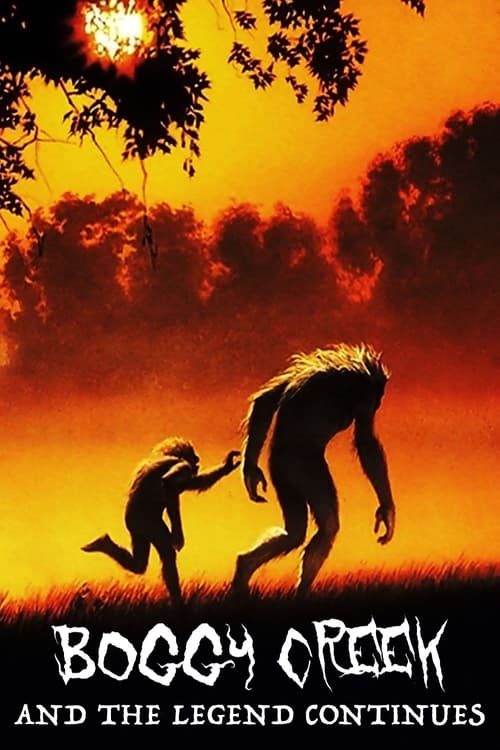
Boggy Creek II: And the Legend Continues
1984
No user ratings available yet
Diversity score: 1.7 out of 10
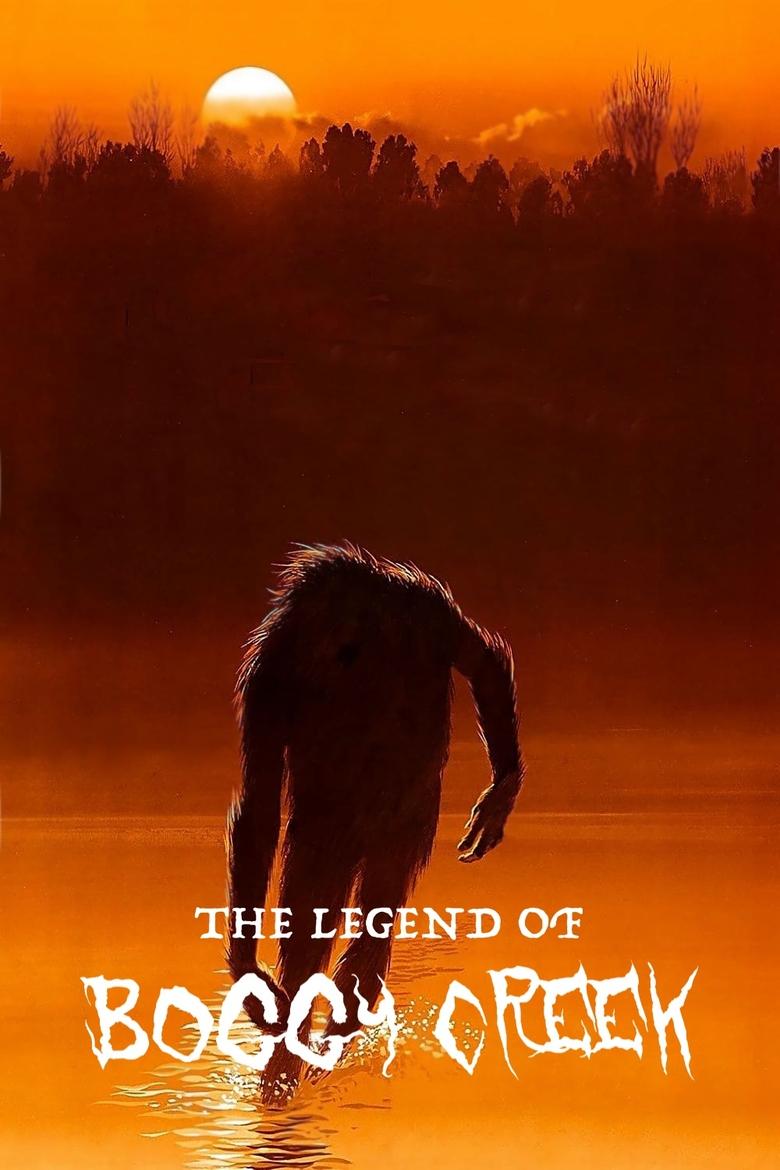
1972
GDirector
Charles B. Pierce
Runtime
87 minutes
Average Rating
No ratings yetSynopsis
A documentary-style drama based on true accounts of the Fouke Monster in Arkansas.
Overall Score
Limited
Category Breakdown
LGBTQ+ Representation
The film maintains a strictly heteronormative structure. No queer identities or same-sex dynamics are present within the rural community setting.
Gender Representation
Characters adhere to traditional mid-century social hierarchies. The narrative reinforces conventional masculine and feminine archetypes without subverting established domestic roles.
Racial & Ethnic Diversity
The cast is highly homogeneous, focusing almost exclusively on the white, rural population of the American South. Characters of color lack agency or presence.
Religious & Cultural Diversity
The story is rooted in Western regionalism, depicting local law enforcement and religious undertones. It presents traditional family units and community structures as the standard.
Disability Representation
Disability is limited to the monster figure, which serves as a mythic creature. There are no meaningful portrayals of neurodivergence or physical disability among the human characters.
Strengths
Areas for Improvement
AI Analysis
The Legend of Boggy Creek functions as a localized study of Arkansas folklore, prioritizing atmospheric tension over social complexity. By focusing on a specific, homogeneous demographic, the film reinforces traditional social hierarchies and regional norms rather than challenging them. The narrative architecture is built around a traditionalist view of Americana. It lacks intersectional representation, opting instead to depict a community defined by established gender roles, racial homogeneity, and conventional religious structures. Ultimately, the film serves as a quintessential example of regionalist folk-horror. It captures a specific cultural moment through a narrow lens, resulting in a lack of diversity across most social categories.
No reviews yet. Be the first to share your thoughts on this movie!
Use the rating form above to leave a star rating and optional review.