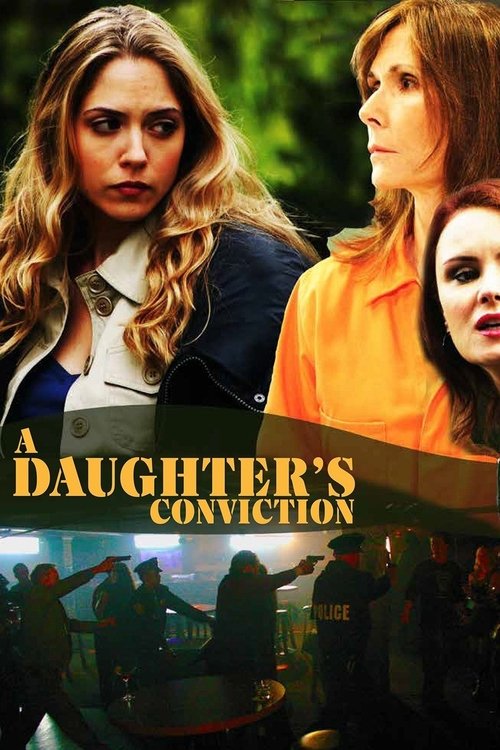
The Perfect Suspect
2006
No user ratings available yet
Diversity score: 3.0 out of 10
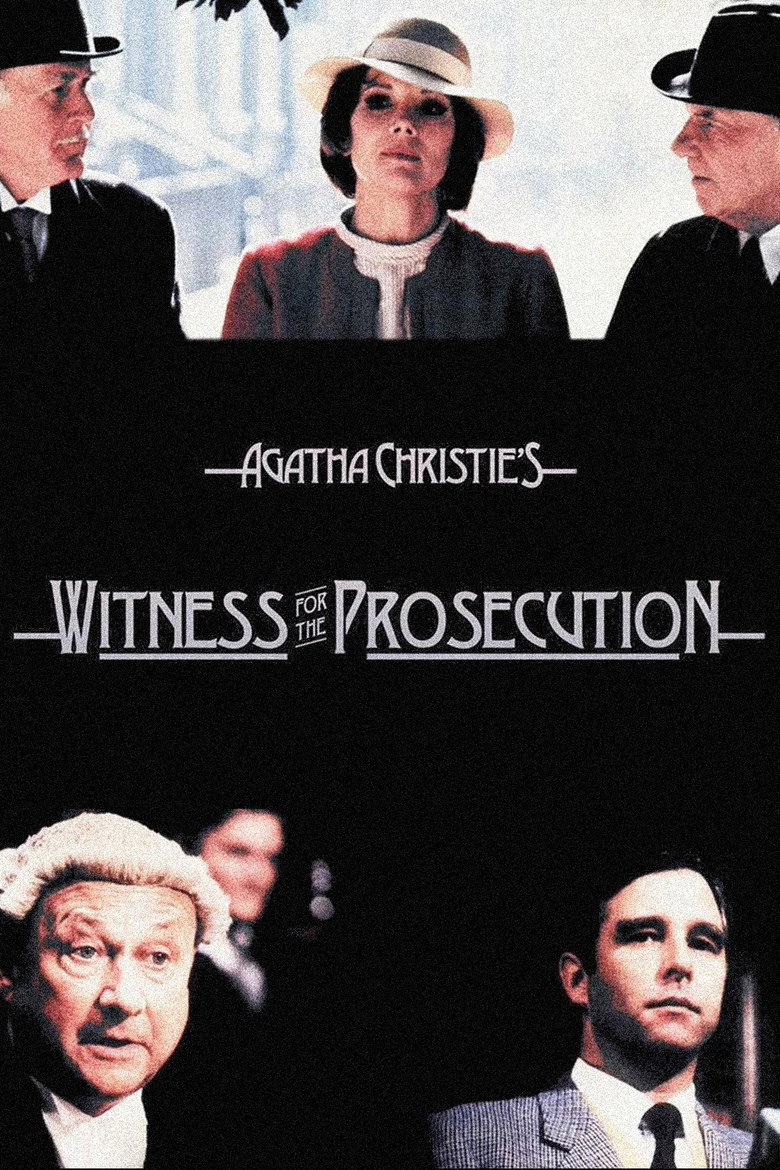
1982
TV-PGDirector
Alan Gibson
Runtime
97 minutes
Average Rating
No ratings yetSynopsis
An ailing barrister is thrust back into the courtroom in what becomes one of the most unusual and eventful murder cases of the lawyer's career when he finds himself defending a man being tried for the murder of a socialite.
Overall Score
Minimal
Category Breakdown
LGBTQ+ Representation
The film lacks LGBTQ+ characters or themes. Interpersonal dynamics focus entirely on traditional romantic and marital structures without exploring non-heteronormative identities.
Gender Representation
Female characters operate through traditional archetypes like the femme fatale. Their agency is tied to manipulating social perceptions of femininity within a male-dominated legal sphere.
Racial & Ethnic Diversity
The production features a largely homogeneous Anglo-Saxon cast. It lacks intentional intersectional casting, reflecting the specific socioeconomic and racial demographics of mid-century British legal dramas.
Religious & Cultural Diversity
The narrative reinforces the sanctity of Western legal institutions. It portrays the courtroom and the barrister as central pillars of social order and the preservation of the social contract.
Disability Representation
There are no prominent depictions of physical or neurodivergent disabilities. No characters are presented with disabilities that provide agency or nuanced development.
Strengths
Areas for Improvement
AI Analysis
This adaptation of Agatha Christie's work functions as a traditional legal procedural that prioritizes classical dramatic tension over progressive representation. The film adheres to formalist conventions, focusing on individual culpability and the mechanics of the British judicial system. The narrative architecture reinforces existing social hierarchies and institutional authority. Rather than challenging systemic power dynamics, the story utilizes established crime genre tropes to explore deception and justice within a highly conventionalized framework. Ultimately, the production serves as a conservative period drama. It maintains a focus on a specific demographic and reinforces traditional social scripts rather than introducing intersectional perspectives.
No reviews yet. Be the first to share your thoughts on this movie!
Use the rating form above to leave a star rating and optional review.