
Leidi
2014
No user ratings available yet
Representation score: 4.5 out of 10
Representation Score
Excellent
2007
Director
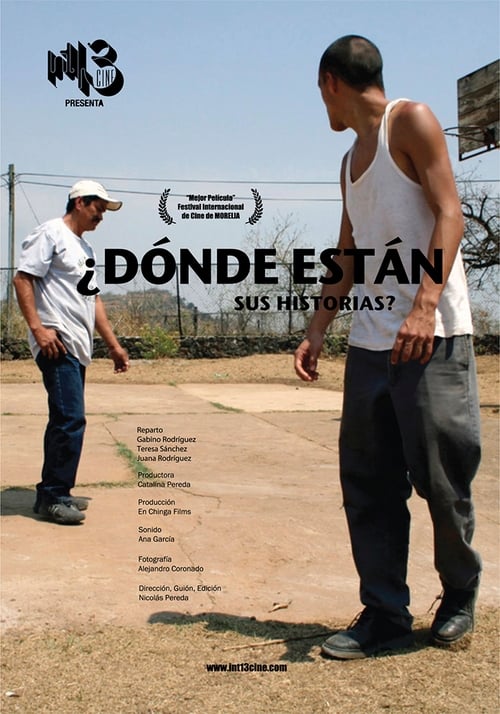
Nicolás Pereda
Runtime
73 minutes
Average Rating
No ratings yetNew Showbiz Analysis
Nicolás Pereda’s film is a work of social realism that deconstructs the effectiveness of state institutions. It avoids traditional heroic resolutions, focusing instead on the individual's struggle against systemic inertia and bureaucratic oppression. The narrative excels in its critique of class and institutional corruption. By centering a rural protagonist navigating the complexities of Mexico City, the film highlights the barriers faced by underrepresented populations. While the film lacks explicit representation of LGBTQ+ or neurodivergent identities, it provides a sophisticated, non-binary view of social structures and the material realities of the working class.
Category Breakdown
The film does not focus on LGBTQ+ identities or same-sex relationships. Instead, it emphasizes family and class struggles over gender diversity.
Women play key roles in the film, particularly the grandmother and mother, but the male protagonist drives the main storyline.
The film provides a detailed look at Mexican identity and class issues. It centers a rural, working-class protagonist to challenge urban perspectives and systemic inequality.
The film criticizes state and capitalist institutions as opaque and obstructive. It avoids moralistic storytelling, presenting a sophisticated view of social class and institutional corruption.
The ailing grandmother introduces themes of elder vulnerability and chronic illness. Her condition serves as a catalyst for socioeconomic struggle rather than a deeper exploration of disability.
Present on Screen
Limited or Absent
Official Synopsis
Vicente (Gabino Rodríguez) is a young farmer in a rural village who scrapes by while taking care of his ill grandmother. Several of Vicente’s uncles intend to their ailing mother’s land without her knowledge. Vicente seeks help from the municipal president who, between shooting hoops on a desolate court, tells him that if he wants justice, he must head to the capital to meet with government officials. Although he hasn’t seen her since he was a child, Vicente sets off in search of his mother, who works as a maid in maze-like Mexico City. With the help of his mother’s employer, a sophisticated middle-aged woman, he finds the government offices where he presents his case. His situation isn’t easily resolved, especially since he does not have the deed to his grandmother’s plot of land, and Vicente finds the complexities of the legal system to be completely overwhelming.
2014

1992
2012

2013

2011

2008
2020

2011
No reviews yet. Be the first to share your thoughts on this movie!
Use the rating form above to leave a star rating and optional review.