Pretty Bloody: The Women of Horror
2009
No user ratings available yet
Representation score: 6.3 out of 10
Representation Score
Excellent
2025
Director
Donna Davies
Runtime
96 minutes
Average Rating
No ratings yetNew Showbiz Analysis
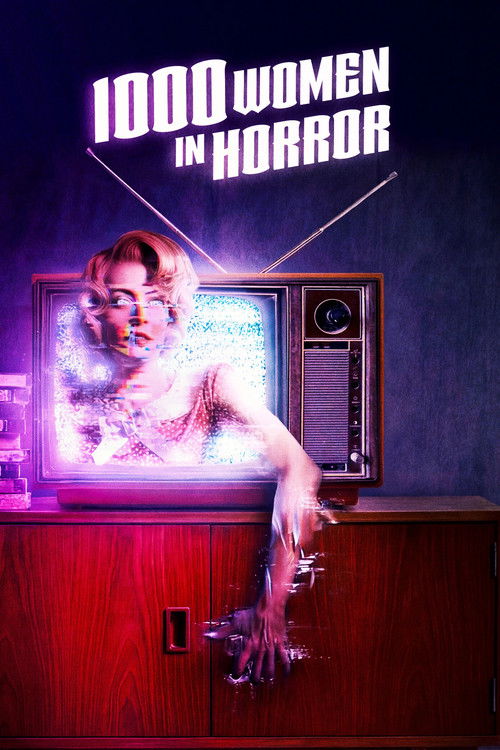
The film opens not with a monster, but with a ledger: a century of women’s names where men’s were once assumed to be the only ones. *1000 Women in Horror* (2025) is a corrective document that treats the horror genre’s male-centric reputation as a myth to be dismantled by evidence. The camera loves the creators, not the victims; it frames women like Mary Harron and Roxanne Benjamin as the competent architects of the genre, rather than the passive subjects of it. The sold meaning is clear: the "man’s world" of horror is a fabrication, and the real history is a plural, female-authored tradition. The film’s argument is that exclusion was the anomaly, not the norm. By billing its subjects as "Self," it refuses to let them be defined by their gender or their genre, instead positioning them as the authoritative voice. The contradiction lies in the sheer volume of the task; the film cannot show 1,000 stories, so it relies on the authority of the named few to stand in for the many. This creates a hierarchy of visibility where the famous women carry the weight of the anonymous ones. Yet, the ending does not retreat to a safe, neutral ground. It settles on the idea that the genre’s true merit belongs to those who made it, and for over a century, that has been a female enterprise. The last image is not a jump scare, but a credit roll that functions as a roll call, affirming that the standard has always been higher than the industry admitted.
Category Breakdown
Queer identities remain background texture rather than the central argument. The documentary focuses on professional contribution over personal identity politics, leaving specific LGBTQ+ narratives unexplored.
The film inverts the male-dominated horror hierarchy by positioning women as authoritative subjects. Cast members appear as "Self," asserting competence and historical presence rather than serving as victims or prizes.
Non-white women like Akela Cooper and Mattie Do are visible as industry leaders. This diversity is presented as a natural fact of the genre’s history, challenging the white-centric canon without turning race into a separate political sermon.
The documentary treats the traditional horror industry as an institution that historically excluded women. It rejects the "man’s world" premise by showing that the genre’s true history is plural and female.
There is no evidence that disability is treated as a central theme or identity marker. The "Self" figures are presented as able-bodied professionals, leaving the category largely unexplored within the professional history framing.
Present on Screen
Limited or Absent
Official Synopsis
Is horror a man’s world? You might assume so – but you won’t be thinking that way for long once you investigate the vast contribution women have made to horror movies for well over a century. In 2020, award-winning Australian critic Alexandra Heller-Nicholas released the definitive book on the subject: 1000 Women in Horror, 1895–2018, an encyclopaedic work celebrating the many women – filmmakers, actors, producers and technicians – who have shaped the genre since the moment cinema’s light first flickered.
2009
2019
2000
2009

2024
2012
2011
2019
No reviews yet. Be the first to share your thoughts on this movie!
Use the rating form above to leave a star rating and optional review.