Find another title
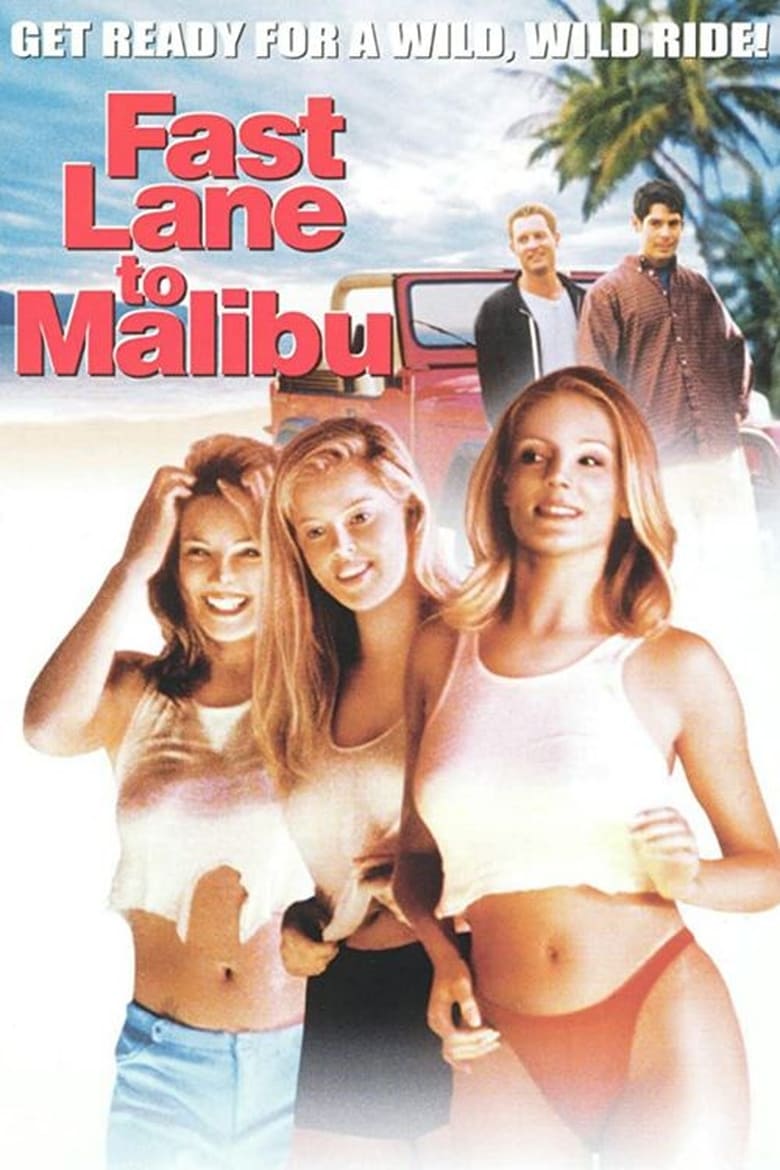
Fast Lane to Malibu
2000
RDirector
Kelley Cauthen
Runtime
80 minutes
Average Rating
No ratings yetSynopsis
The film follows randy college boys Zack and Brian on a trip to Malibu for a party where there's a shortage of boys but a bevy of buxom girls. Beset on the way by car trouble, and various other distractions, the film also follows the journey of Zack and Brian's girlfriends, who follow the boys to Malibu but end up having their own lusty adventures.
Where to Watch
Diversity & Representation
Overall Score
Limited
Category Breakdown
LGBTQ+ Representation
The story centers on heteronormative romantic and sexual dynamics. It focuses on college boys and their girlfriends, following conventional comedic tropes of the era without exploring non-cisnormative identities.
Gender Representation
While female characters pursue their own adventures, the film relies on the male gaze. Descriptions like 'bevy of buxom girls' suggest traditional objectification rather than disrupting gender hierarchies.
Racial & Ethnic Diversity
The film lacks verifiable evidence of ethnic diversity. Given the Malibu setting and early 2000s genre, the casting likely leans toward a homogeneous, Anglo-Saxon majority.
Religious & Cultural Diversity
The narrative operates within a standard Western consumerist framework. It prioritizes leisure, travel, and individualistic pleasure without deconstructing Western institutions or religious norms.
Disability Representation
There is no mention of characters with visible or invisible disabilities. The film does not address neurodivergence or chronic health conditions.
Strengths
- Female characters possess a degree of agency by pursuing their own independent adventures separate from the male protagonists.
Areas for Improvement
- The film relies heavily on the male gaze and objectifying language to describe female characters.
- There is a notable absence of LGBTQ+ representation or non-cisnormative identities.
- The narrative lacks racial and ethnic diversity, appearing to favor a homogeneous cast.
- The story fails to engage with diverse cultural perspectives or critique Western consumerist norms.
AI Analysis
Fast Lane to Malibu is a product of early 2000s genre conventions, prioritizing heteronormative social dynamics and traditional gender roles. The narrative structure follows a standard path of leisure and pursuit, offering little in the way of social subversion. The film's reliance on the male gaze and conventional tropes limits its depth. While women are given their own storylines, they are framed through a lens of objectification that reinforces existing hierarchies rather than challenging them. Ultimately, the lack of intersectional casting or diverse cultural perspectives results in a narrow viewing experience that adheres strictly to the status quo of its era.
Rate this Movie
Reviews
No reviews yet. Be the first to share your thoughts on this movie!
Use the rating form above to leave a star rating and optional review.