Serenade
1956
No user ratings available yet
Representation score: 0.9 out of 10
Representation Score
Limited
1947
NRDirector
Richard Thorpe
Runtime
104 minutes
Average Rating
No ratings yetNew Showbiz Analysis
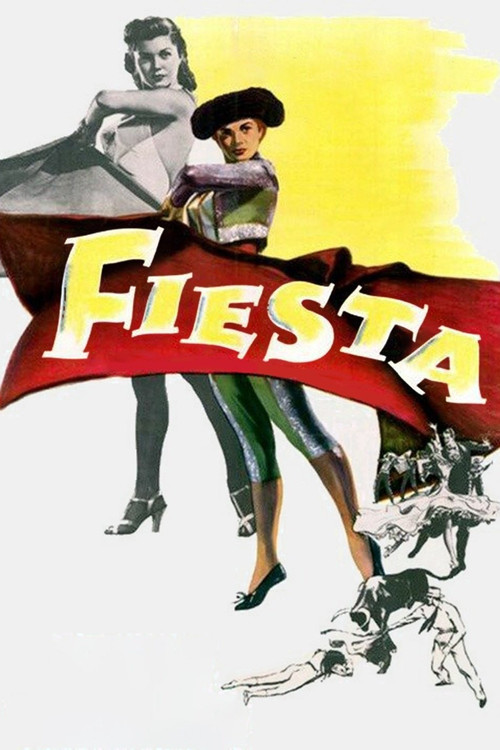
Fiesta operates as a conventional mid-century melodrama. While the central premise of a woman entering a male-dominated profession offers a momentary subversion of traditional gender roles, the film remains anchored to the social structures of 1947. The narrative heavily relies on established clichés, such as the female protagonist adopting a disguise to gain ability to act. This approach often reinforces rather than challenges traditional gender expectations. Culturally, the film presents a stylized version of Spanish life. It lacks the depth and systemic critique needed to move beyond the era's standard romanticized depictions of foreign locales.
Category Breakdown
The film does not include any LGBTQ+ characters or narratives. The plot revolves around heterosexual romantic relationships between a matador and his twin sister.
A woman takes on her brother's identity to participate in bullfighting, which disrupts traditional gender roles. However, this storyline depends on a disguise cliché that implies women need to adopt masculine traits to succeed.
Set in Spain, the film showcases a non-Anglo cultural setting. It likely employs romanticized, exoticized portrayals typical of mid-century Hollywood productions.
The story follows traditional 1940s melodrama patterns, emphasizing personal passion and honor without challenging institutional or secular norms.
There are no visible or invisible disabilities depicted within the central narrative arc.
Present on Screen
Limited or Absent
Official Synopsis
When a matador leaves town to focus on his music, his twin sister takes on his identity in the bullfighting ring.
1956
1948

1959

1982
1957
1954
1950

1934
No reviews yet. Be the first to share your thoughts on this movie!
Use the rating form above to leave a star rating and optional review.