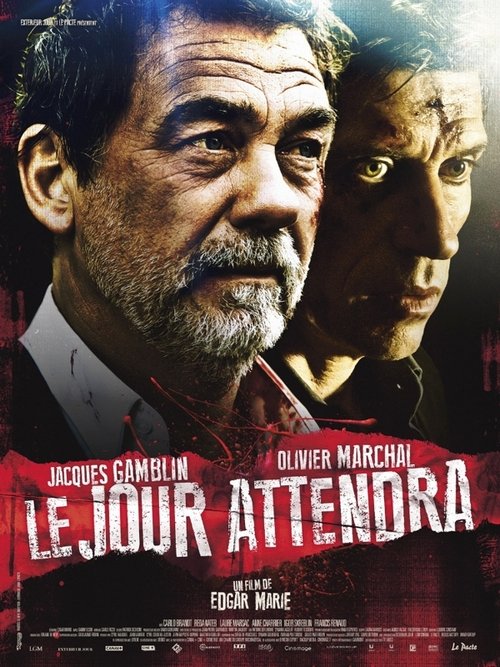
Paris Countdown
2013
No user ratings available yet
Representation score: 3.9 out of 10
Representation Score
Limited
2000
Director
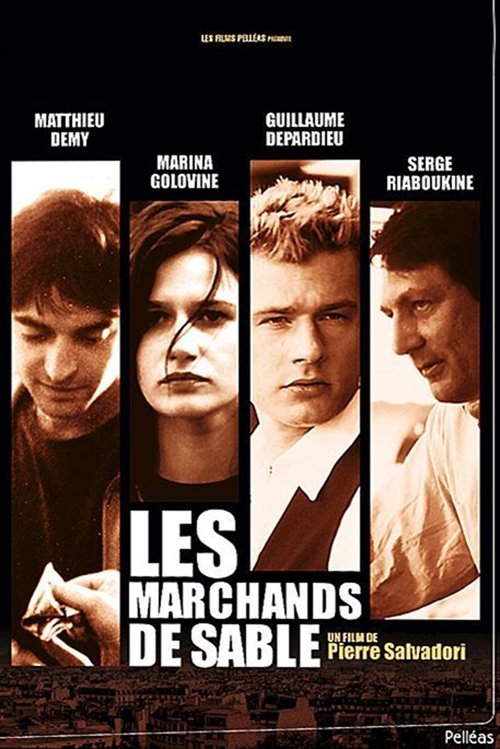
Pierre Salvadori
Runtime
102 minutes
Average Rating
No ratings yetNew Showbiz Analysis
The Sandmen presents a traditional genre piece centered on local social dynamics. It adheres to established demographic structures without attempting to challenge existing hierarchies or provide diverse perspectives. The film's focus remains on interpersonal conflicts and masculine pursuits within a provincial setting. This results in a narrative that lacks representation for LGBTQ+ identities, diverse racial backgrounds, or characters with disabilities.
Category Breakdown
The film follows a traditional structure that assumes everyone is straight or cisgender. There are no queer narratives or characters with non-traditional gender identities.
The story focuses on male characters and often centers around the male perspective. Female characters frequently act as catalysts for male protagonists rather than driving the plot themselves.
The casting reflects a uniform social environment typical of French cinema. The film does not include diverse casting or address issues related to racial diversity.
The story portrays a secular society focused on personal ethics and social interactions. It does not critique Western institutions or religious ideologies.
The film does not feature characters with visible or invisible disabilities. It does not address neurodivergence or physical accessibility in its character development.
Present on Screen
Limited or Absent
Official Synopsis
Alain runs Le Detour, a small cafe in Paris where Antoine works. Antoine is reunited with his sister Marie when she's released from prison; they are very close, perhaps abnormally so, but she's not aware that Antoine has fallen into cahoots with Stephane, who works as a waiter at another cafe. Damien, a local businessman, is pressuring Alain to expand Le Detour, and cut his nephew Xavier in for a percentage as a manager. While Alain waffles on Damien's proposal, Xavier offers Antoine a chance to make some money under the table by delivering some drugs to a cadre of dealers. Antoine makes the drop and picks up the payment, but runs off with the money rather than bringing it back to Xavier, which proves to have tragic consequences for Antoine and his friends.
2013

2011

2010

2016

1998

2008

2005

1999
No reviews yet. Be the first to share your thoughts on this movie!
Use the rating form above to leave a star rating and optional review.